In an era where digital transformation is no longer optional, IT ticketing systems have evolved from simple issue-tracking tools to sophisticated platforms that drive organizational efficiency. As we approach 2025, understanding these systems has become crucial for businesses of all sizes.
The Evolution of IT Ticketing Systems
From Help Desk to Strategic Asset
Traditional help desk software focused primarily on tracking user issues. Today’s IT ticketing systems are comprehensive platforms that:
- Automate routine processes
- Provide predictive insights
- Enable cross-departmental collaboration
- Drive operational efficiency
- Support strategic decision-making
Impact of Digital Transformation
Recent data shows:
- 60% increase in ticket volumes since 2020
- 40% reduction in resolution times with AI assistance
- 30% cost savings through automation
- 25% improvement in employee satisfaction
Core Components of Modern IT Ticketing Systems
1. Ticket Management Engine
Automated Routing
- Smart categorization
- Priority-based assignment
- SLA monitoring
- Workload balancing
Communication Tools
- Multi-channel support
- Real-time updates
- Collaborative notes
- Status tracking
2. Automation Framework
Process Automation
- Ticket classification
- Response generation
- Task assignment
- Follow-up scheduling
Workflow Management
- Custom rule creation
- Conditional workflows
- Approval processes
- Escalation paths
3. Knowledge Management
Self-Service Portal
- Searchable knowledge base
- FAQ management
- Solution templates
- User guides
Learning Systems
- Pattern recognition
- Solution suggestions
- Content optimization
- Usage analytics
Modern Capabilities Transforming IT Support
1. Artificial Intelligence Integration
Modern IT ticketing systems leverage AI for:
- Predictive Analytics
- Forecasting ticket volumes
- Identifying potential issues
- Resource optimization
- Trend analysis
- Natural Language Processing
- Intent recognition
- Sentiment analysis
- Automated categorization
- Response suggestions
2. Automation and Machine Learning
Advanced systems now offer:
- Smart Automation
- Context-aware routing
- Dynamic prioritization
- Automated resolution
- Proactive maintenance
- Learning Capabilities
- Pattern recognition
- Solution optimization
- Performance improvement
- Knowledge enhancement
Implementation Strategy for Success
Phase 1: Planning
- Assessment
- Current process analysis
- Pain point identification
- Resource evaluation
- Goal setting
- Strategy Development
- Timeline creation
- Resource allocation
- Training planning
- Success metrics definition
Phase 2: Deployment
- System Setup
- Platform configuration
- Data migration
- Integration setup
- Workflow design
- User Adoption
- Training programs
- Change management
- User feedback
- Process refinement
Integration Strategies
Core Integration
- Essential Systems
- Asset management
- Configuration management
- Change management
- Service catalog
- Business Tools
- Communication platforms
- Project management
- CRM systems
- HR systems
Measuring ROI and Business Impact
Key Performance Indicators
- Operational Metrics
- Resolution time
- First contact resolution
- SLA compliance
- Agent productivity
- Business Metrics
- Cost per ticket
- Customer satisfaction
- Employee satisfaction
- Resource utilization
Future Trends: 2025 and Beyond
Emerging Technologies
- Advanced AI
- Autonomous resolution
- Predictive maintenance
- Natural conversations
- Personalized support
- Experience Management
- Real-time feedback
- Journey mapping
- Sentiment tracking
- Proactive engagement
Selecting the Right System
Key Considerations
- Platform Capabilities
- Core features
- Scalability options
- Integration abilities
- Customization potential
- Implementation Factors
- Setup timeline
- Training requirements
- Support availability
- Total cost of ownership
Leading Solutions Compared
Enterprise Solutions
- Comprehensive platforms
- Extensive customization
- Complex implementation
- Higher investment
Mid-Market Solutions
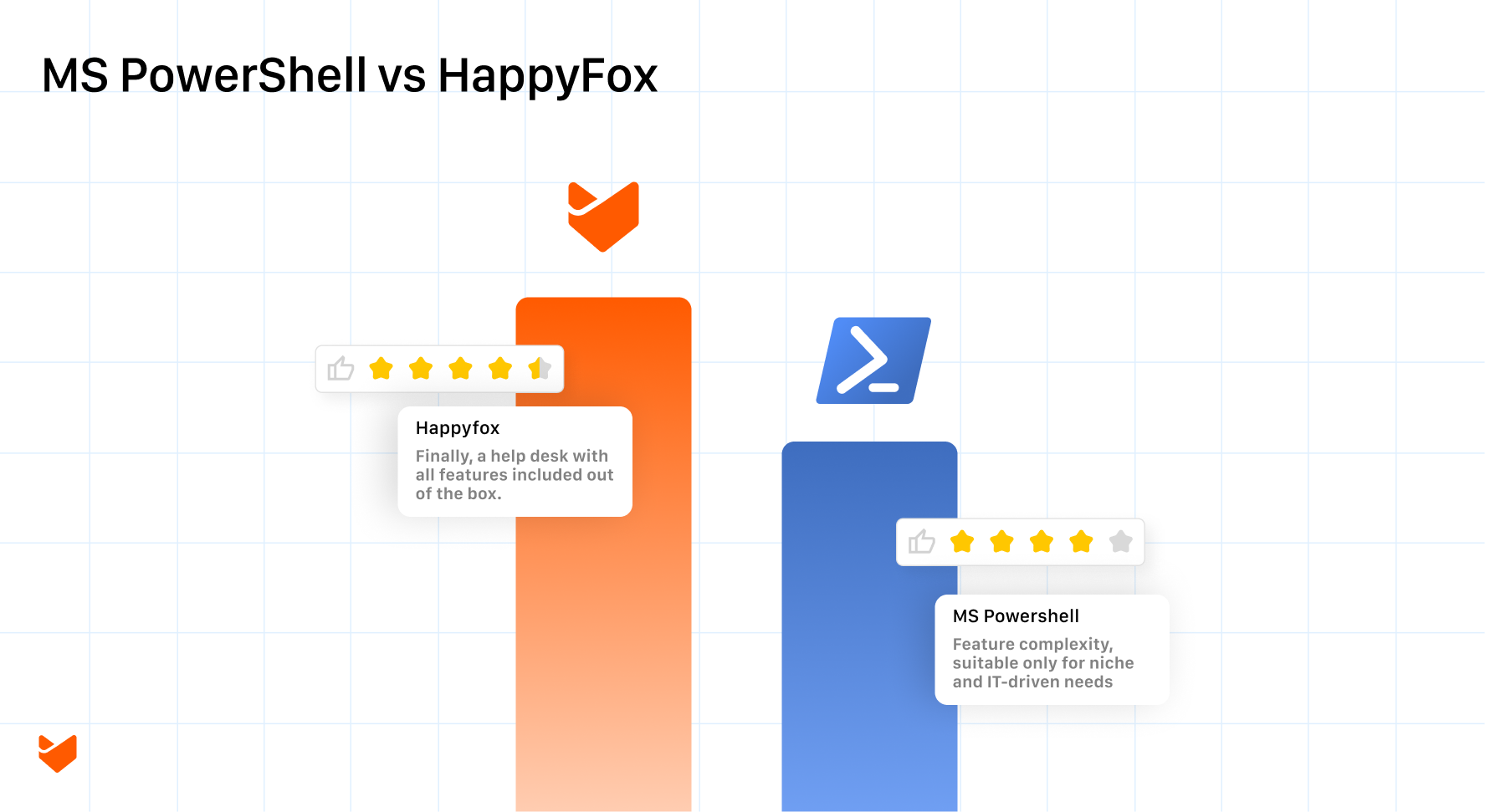
- HappyFox Service Desk
- Intuitive modern interface
- Rapid implementation (2-4 weeks)
- Built-in AI capabilities
- Excellent value proposition
- Comprehensive automation
- Multi-department support
- Other Options
- Basic ITSM capabilities
- Limited customization
- Moderate pricing
- Standard features
Best Practices for Success
1. Implementation
- Start with core processes
- Phase deployment gradually
- Monitor user adoption
- Gather continuous feedback
2. Optimization
- Regular system reviews
- Performance monitoring
- Process refinement
- Feature utilization
Expert Tips for Maximum Value
- Process Optimization
- Document workflows
- Standardize processes
- Automate routines
- Monitor outcomes
- User Adoption
- Clear communication
- Comprehensive training
- Regular feedback
- Continuous support
Conclusion
As we move toward 2025, IT ticketing systems continue to evolve. They are transitioning from basic tracking tools into strategic platforms. These platforms drive organizational efficiency. The key to success lies in selecting a solution that balances comprehensive features with ease of implementation and use.
Solutions like the HappyFox Service Desk provide powerful capabilities and ensure practical implementation for organizations aiming to modernize their IT support. With the right system and strategy, businesses can transform their IT support from a cost center into a value driver.
Ready to elevate your IT support? Book a Free Demo