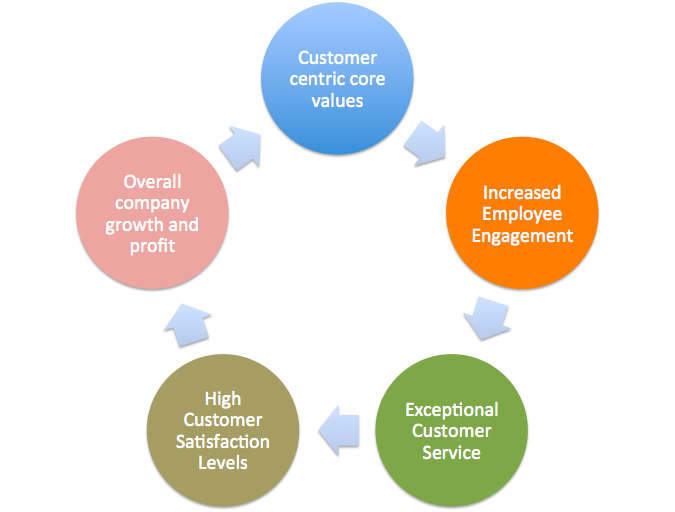
What if you could solve customer problems before they even ask for help? According to Gartner, organizations that excel at predicting customer needs are 80% more likely to exceed their customer satisfaction goals. Yet, many businesses still operate in a purely reactive mode, waiting for problems to surface before taking action.
Understanding Predictive Customer Service
Predictive customer service uses AI and machine learning to:
- Anticipate customer needs based on behavior patterns
- Identify potential issues before they escalate
- Provide proactive solutions and support
- Learn from historical data and interactions
- Continuously improve service delivery
How AI Transforms Predictive Support
1. Pattern Recognition
- Identifies common customer journey pain points
- Spots trending issues before they become widespread
- Recognizes behavioral indicators of potential problems
2. Automated Prevention
- Triggers proactive support interventions
- Sends timely, relevant information
- Implements preventive measures automatically
3. Smart Resource Allocation
- Predicts support volume trends
- Optimizes staffing levels
- Directs resources to high-impact areas
4. Personalized Experience
- Tailors support based on customer history
- Anticipates individual needs
- Provides contextual assistance
Benefits of Predictive Customer Service
For Customers
- Problems solved before they escalate
- More personalized support experience
- Reduced need for support contact
- Smoother customer journey
For Support Teams
- Better prepared for incoming issues
- More efficient resource utilization
- Focus on high-value interactions
- Reduced reactive firefighting
For Businesses
- Higher customer satisfaction
- Lower support costs
- Improved customer retention
- Better operational efficiency
Key Components of Predictive Support
- Data Analysis
- Customer behavior tracking
- Historical pattern analysis
- Trend identification
- AI and Machine Learning
- Predictive modeling
- Automated learning
- Pattern recognition
- Automation Tools
- Chatbots and virtual assistants
- Automated notifications
- Proactive interventions
- Integration Systems
- Connected data sources
- Unified customer view
- Seamless workflows
Implementation Strategies
- Data Collection
- Gather relevant customer data
- Track interaction patterns
- Monitor service metrics
- Pattern Analysis
- Identify common issues
- Map customer journeys
- Spot prevention opportunities
- Proactive Planning
- Design intervention strategies
- Create automated workflows
- Develop response templates
HappyFox: From Help Desk to Predictive Support
HappyFox is a comprehensive help desk solution that centralizes all your customer support operations in one platform. With robust ticketing, automation, and reporting capabilities, it provides the foundation for effective customer service delivery.
Building on this foundation, HappyFox offers multiple AI-powered tools for predictive support:
AI Resolve
- Provides instant, AI-generated answers on your support center
- Analyzes patterns to identify potential issues
- Learns from interactions to improve response accuracy
- Enables proactive support through early issue detection\
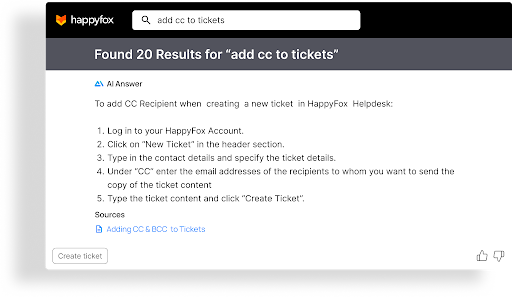
- Offers 24/7 automated customer support
- Handles common queries and provides instant responses
- Seamlessly escalates complex issues to human agents
- Integrates with your existing knowledge base

Through this combination of help desk functionality, chatbot capabilities, and AI-powered support, organizations can shift from reactive to predictive customer service, addressing issues before they impact the customer experience.
The Future of Predictive Customer Service
As AI technology evolves, we can expect:
- More accurate prediction models
- Better prevention strategies
- Enhanced personalization
- Deeper integration of support systems
The key will be balancing proactive support with customer privacy and preferences.
Conclusion: Moving from Reactive to Predictive
Predictive customer service isn’t just about solving problems faster – it’s about preventing them from occurring in the first place. By leveraging AI and machine learning, organizations can create more proactive, efficient support experiences that benefit both customers and support teams.
Ready to explore how predictive support can transform your customer service? Learn how modern help desk solutions can help you anticipate and address customer needs before they become problems.