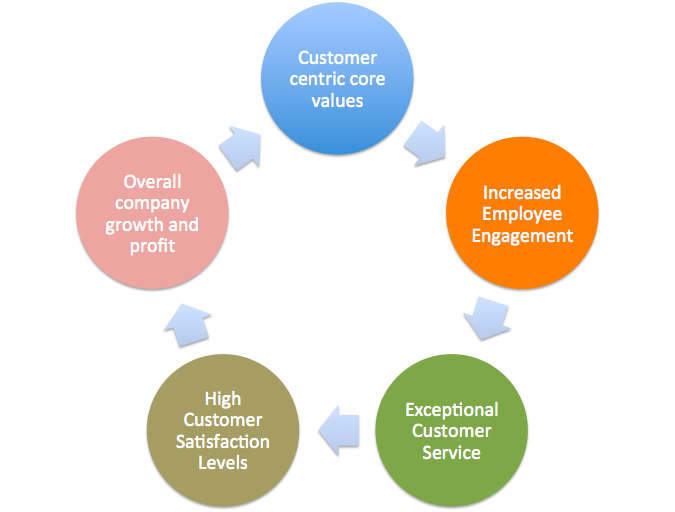
What separates thriving ecommerce businesses from those that struggle to retain customers? The answer often lies in how they handle customer support. Online shopping has transformed the retail landscape, but it’s also created unique challenges in managing customer expectations and resolving issues efficiently. Today’s ecommerce support teams need to master multiple channels while maintaining speed and quality in their responses. We’ll break down the essential strategies and tools you need to build a customer support system that drives growth and loyalty for your online store.
Why Exceptional Customer Support Matters for Ecommerce
In ecommerce, where face-to-face interactions are replaced by digital touchpoints, the quality of your customer support becomes the defining factor in how customers perceive and connect with your brand.
Here’s why investing in exceptional customer support is crucial for your ecommerce success:
- Customer Insights – Support interactions provide direct feedback about product issues and opportunities for improvement
- Customer Retention – When shoppers can count on your support team, they’re more likely to return for future purchases
- Brand Reputation – Outstanding support helps build a positive brand image that attracts new customers
- Competitive Advantage – While many stores focus solely on products and pricing, exceptional service helps you stand out
12 Best Practices for Outstanding Ecommerce Support
1. Create a Centralized Support Hub
Managing customer queries across multiple channels can be chaotic. Set up a centralized help desk to handle all support requests efficiently. With HappyFox’s omnichannel ticketing system, you can:
- Track and respond to queries from email, chat, and social media in one place
- Route tickets to the right support agent automatically
- Monitor response times and support quality
Use ticket categories to sort incoming requests by type (returns, product inquiries, shipping) for faster resolution.
2. Build a Comprehensive Knowledge Base
According to Forrester, 70% of customers prefer to solve issues themselves before contacting support. Create detailed self-service resources:
- Product guides and FAQs
- Return policy explanations
- Troubleshooting steps
- Size guides and product care instructions
HappyFox’s knowledge base builder lets you create and organize help articles easily. Plus, our AI can help convert common support tickets into knowledge base articles automatically.
3. Implement Smart Automation
In ecommerce support, every minute counts. When customers experience issues with their orders or have urgent questions, they expect swift responses – and automation is your key to delivering consistently fast support even as ticket volumes grow:
- Send instant order confirmations – Automatically notify customers about successful orders and payment processing
- Provide shipping updates – Keep customers informed about order status, shipping, and delivery milestones without manual intervention
- Answer common questions automatically – Set up AI-powered responses for frequently asked questions about sizing, availability, and policies
- Route complex issues to specialized agents – Direct tickets to the right team members based on keywords, priority, or customer segment
HappyFox’s Smart Rules can automate ticket routing and responses based on keywords, helping you maintain quick response times even during peak seasons.
4. Offer Real-Time Support
Live chat has become essential for ecommerce. According to Comm100, live chat has the highest customer satisfaction rate at 85% compared to other support channels. Here’s how to maximize its effectiveness:
- Enable pre-sale support to boost conversions
- Provide order status updates in real-time
- Use canned responses for common questions
- Transfer complex issues seamlessly to ticket system
5. Personalize Customer Interactions
Data from Accenture shows that 91% of consumers are more likely to shop with brands that provide relevant offers and recommendations. Use your help desk to:
- Access customer purchase history during support interactions
- Customize responses based on customer segments
- Remember previous interactions and preferences
- Provide personalized product recommendations
6. Monitor and Improve Support Quality
Systematic performance monitoring is critical for maintaining exceptional ecommerce support standards. Regular analysis helps identify bottlenecks and opportunities for improving customer service delivery:
- First Response Time – Track initial response speed across channels, prioritizing urgent issues like order modifications
- Resolution Time – Monitor complete ticket lifecycle from first contact to final resolution
- Customer Satisfaction Scores – Gather and analyze post-interaction feedback to guide improvements
- Self-Service Success Rate – Measure knowledge base effectiveness through article usage and ticket deflection rates
Use HappyFox’s built-in reporting tools to track these metrics and identify areas for improvement.
7. Train Support Teams Effectively
Empower your support agents with comprehensive training and resources to handle ecommerce-specific challenges. A well-trained team can confidently address everything from sizing questions to complex return scenarios, ultimately delivering better customer experiences:
- Detailed support guidelines – Create clear protocols for handling common ecommerce scenarios like order modifications, shipping issues, and refund requests
- Product training materials – Build an internal knowledge base covering product specifications, variations, and common customer questions
- Response templates – Develop customizable templates for different situations while maintaining a consistent brand voice
- Escalation procedures – Establish clear pathways for routing complex issues to specialized teams or supervisors
8. Enable Multi-Channel Support
Meet customers where they are. Modern customers switch between multiple communication channels throughout their shopping journey, expecting seamless support across each touchpoint. By offering support across various channels, you can ensure customers can reach you through their preferred method of communication:
- Email – Handle detailed inquiries and maintain conversation history
- Live chat – Provide instant assistance during critical shopping moments
- Social media – Address public concerns and engage with customers on platforms they frequent
- Phone – Offer direct voice support for complex or urgent issues
- WhatsApp – Enable convenient mobile messaging for quick updates and responses
9. Implement Proactive Support
Transform your ecommerce support from reactive to proactive by anticipating and addressing customer needs before they become issues. In the online retail space, proactive communication can prevent support tickets and build customer confidence:
- Shipping delay notifications – Alert customers about potential delays or delivery changes before they reach out
- Product restock alerts – Keep customers informed about inventory updates for items they’re interested in, reducing repetitive inquiries
- Maintenance tips – Share product care instructions and usage guidelines right after purchase to prevent common issues
- Resolution follow-ups – Check in with customers after ticket resolution to ensure continued satisfaction
10. Optimize for Mobile Support
With mobile commerce growing rapidly, ensure your support is mobile-friendly:
- Responsive knowledge base
- Mobile-optimized chat interface
- Easy-to-use mobile contact forms
- Click-to-call functionality
11. Use AI to Enhance Support
AI technology transforms ecommerce support by streamlining operations and empowering agents to deliver faster, more accurate responses:
- Smart Response Automation – Deploy AI to instantly answer FAQs about shipping, returns, and product details, freeing agents for complex issues
- Knowledge Base Integration – Automatically suggest relevant help articles based on ticket content, improving resolution times
- Intelligent Response Drafting – Help agents craft high-quality responses faster with AI-powered writing assistance
- Trend Analysis – Identify emerging support issues and common pain points to enable proactive solutions
HappyFox AI can help generate personalized responses and convert support tickets into knowledge base articles automatically.
12. Set Clear Support Standards
Establish and communicate:
- Response time expectations
- Resolution time goals
- Support availability hours
- Service level agreements (SLAs)
Making It All Work Together
Remember, great ecommerce customer support isn’t about implementing each practice in isolation. It’s about creating a cohesive support strategy where each element complements the others. Start by identifying your biggest support challenges and gradually implement these practices using a help desk solution that grows with your business.
HappyFox’s all-in-one help desk solution provides the tools you need to implement these best practices effectively. From AI-powered responses to comprehensive reporting, we help you deliver exceptional customer support that drives growth for your ecommerce business.
Ready to transform your ecommerce customer support? Start a conversation with us today to learn how HappyFox can help you implement these best practices and more.