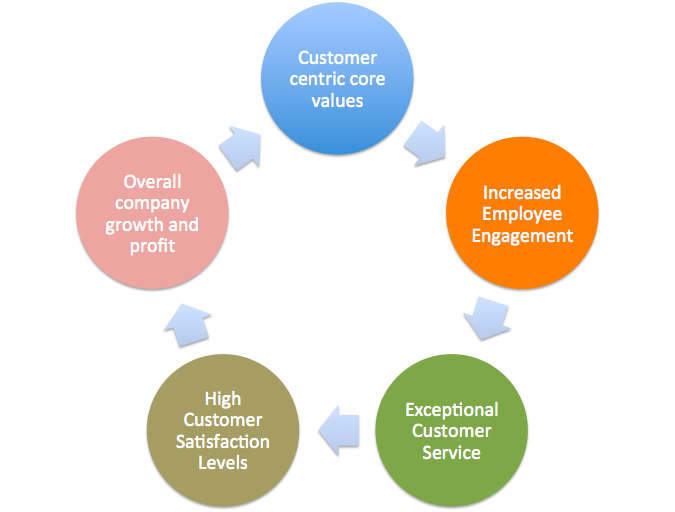
In today’s highly competitive business landscape, exceptional customer service is non-negotiable. Customer service scenarios encompass a wide range of interactions between customers and businesses. These interactions play a crucial role in shaping customer satisfaction and loyalty. This article explores the nine most common customer service scenarios. It provides practical strategies to handle these scenarios effectively using HappyFox’s powerful help desk software.
1. Handling Product or Service Complaints
One of the most frequent customer service scenarios involves addressing product or service complaints. These situations require a delicate balance of empathy, problem-solving, and efficient resolution.
How to Deal with It:
1. Listen actively: Use HappyFox’s ticket management system to carefully document customer complaints.
2. Acknowledge the issue: Express understanding and apologize for any inconvenience caused.
3. Investigate thoroughly: Utilize HappyFox’s knowledge base to quickly access relevant information about the product or service.
4. Provide a solution: Offer a clear resolution, whether it’s a replacement, refund, or alternative solution.
5. Follow-up: Use HappyFox’s automated follow-up feature to ensure customer satisfaction after resolving the issue.
Pro Tip: Create canned responses in HappyFox for common complaints to ensure consistent and prompt initial responses.
2. Managing Angry or Frustrated Customers
Dealing with angry or frustrated customers is a challenging but crucial aspect of customer service. These scenarios require exceptional patience and communication skills.
How to Deal with It:
1. Stay calm: Use HappyFox’s ticket prioritization to manage high-stress situations effectively.
2. Empathize: Acknowledge the customer’s feelings and show that you understand their frustration.
3. Identify the root cause: Use HappyFox’s custom fields to categorize and track the underlying issues.
4. Offer a solution: Provide a clear action plan to address the customer’s concerns.
5. Escalate if necessary: Utilize HappyFox’s built-in escalation rules to involve supervisors when needed.
Implementation Checklist:
- Set up custom fields for emotion tracking
- Create escalation rules for high-priority angry customer tickets
- Develop a library of empathetic response templates
3. Addressing Technical Issues
Technical problems are a common occurrence in many industries. Efficiently resolving these issues is critical for maintaining customer trust and satisfaction.
How to Deal with It:
1. Gather information: Use HappyFox’s ticket form to collect all necessary details about the technical issue.
2. Troubleshoot step-by-step: Leverage HappyFox’s knowledge base to guide customers through common troubleshooting steps.
3. Provide clear instructions: Use HappyFox’s rich text editor to include screenshots or videos in your responses.
4. Escalate to technical teams: Utilize HappyFox’s smart assignment rules to route complex issues to specialized teams.
5. Follow up and prevent recurrence: Use HappyFox’s reporting tools to identify recurring technical issues and address them proactively.
Feature Spotlight: HappyFox’s Smart Rules allow you to automatically categorize technical issues. They route technical issues to the appropriate support team. This ensures faster resolution times.
4. Handling Refund or Exchange Requests
Refund and exchange requests are sensitive scenarios that require a balance between customer satisfaction and company policies.
How to Deal with It:
1. Review the request: Use HappyFox’s ticket history feature to understand the full context of the customer’s purchase and issue.
2. Verify eligibility: Check the refund or exchange policy using HappyFox’s knowledge base integration.
3. Explain the process: Clearly communicate the steps involved in processing the refund or exchange.
4. Process the request: Use HappyFox’s task management feature to track the progress of refund or exchange requests.
5. Follow up: Send an automated confirmation email using HappyFox’s email templates once the refund or exchange is complete.
Pro Tip: Create a dedicated workflow in HappyFox for handling refund and exchange requests to ensure consistency and efficiency.
5. Addressing Long Wait Times or Delays
Long wait times can significantly impact customer satisfaction. Effectively managing these scenarios is crucial for maintaining a positive customer experience.
How to Deal with It:
1. Acknowledge the delay: Use HappyFox’s auto-responder to immediately inform customers that their request has been received.
2. Provide updates: Utilize HappyFox’s internal notes feature to keep all team members informed about the progress of delayed requests.
3. Offer alternatives: Use HappyFox’s knowledge base to suggest self-service options for quicker resolution.
4. Compensate if necessary: Implement HappyFox’s custom fields to track and manage any compensation offered for significant delays.
5. Analyze and improve: Use HappyFox’s reporting and analytics tools to identify bottlenecks and optimize your support process.
Implementation Checklist:
- Set up auto-responders for all incoming tickets
- Create a delay communication template
- Establish a workflow for escalating long-waiting tickets
6. Managing Feature Requests or Product Improvements
Customer feedback and feature requests are valuable for product development. Properly handling these scenarios can turn customers into brand advocates.
How to Deal with It:
1. Document the request: Use HappyFox’s custom fields to categorize and track feature requests.
2. Acknowledge the suggestion: Thank the customer for their input and explain how their feedback will be used.
3. Evaluate feasibility: Use HappyFox’s internal collaboration tools to discuss the request with product teams.
4. Communicate the decision. Use HappyFox’s email templates to inform the customer of the outcome, whether the feature is implemented or not.
5. Follow up on implementation. If the feature is added, use HappyFox’s smart rules. These rules automatically notify customers who requested it.
Feature Spotlight: HappyFox’s Asset Management feature allows you to track product versions and updates, making it easier to manage and communicate about new features.
7. Dealing with Billing or Pricing Inquiries
Billing and pricing inquiries require accuracy and clarity to maintain customer trust and prevent potential disputes.
How to Deal with It:
1. Verify account details: Use HappyFox’s customer information panel to quickly access relevant billing information.
2. Explain charges clearly: Utilize HappyFox’s knowledge base to provide detailed explanations of pricing structures.
3. Address discrepancies: If there’s an error, use HappyFox’s task management to track the resolution process.
4. Offer payment options: Use HappyFox’s custom fields to note customer preferences for future billing cycles.
5. Provide documentation: Use HappyFox’s file attachment feature to send invoices or receipts directly through the ticket.
Pro Tip: Create a dedicated category in HappyFox for billing inquiries to streamline the process and ensure these sensitive issues are handled by appropriate team members.
8. Handling Product or Service Unavailability
When products or services are temporarily unavailable, clear communication is key to managing customer expectations and maintaining satisfaction.
How to Deal with It:
1. Confirm the unavailability: Use HappyFox’s internal knowledge base to verify the current stock or service status.
2. Explain the situation: Provide clear, honest communication about the reason for unavailability.
3. Offer alternatives: Use HappyFox’s product catalog integration to suggest similar products or services.
4. Set expectations: Clearly communicate timelines for restocking or service resumption.
5. Follow up: Use HappyFox’s smart rules to automatically notify customers when the product or service becomes available.
Implementation Checklist:
- Create a template for communicating product/service unavailability
- Set up smart rules for automatic restock notifications
- Develop a process for suggesting alternatives
9. Addressing Account Security Concerns
In an era of increasing digital threats, addressing account security concerns promptly and effectively is crucial for maintaining customer trust.
How to Deal with It:
1. Verify the customer’s identity: Use HappyFox’s secure customer verification process to ensure you’re speaking with the account owner.
2. Assess the security concern: Utilize HappyFox’s custom fields to categorize and prioritize different types of security issues.
3. Take immediate action: Use HappyFox’s task management to coordinate with security teams for urgent issues.
4. Educate the customer: Leverage HappyFox’s knowledge base to provide resources on account security best practices.
5. Follow up and monitor: Use HappyFox’s automated follow-up feature to check in with customers after resolving security concerns.
Feature Spotlight: HappyFox’s robust permission settings ensure that sensitive security information is only accessible to authorized support agents, maintaining customer data privacy.
Conclusion
Mastering these nine common customer service scenarios is essential for delivering exceptional support. Support teams can efficiently manage these situations by leveraging HappyFox’s comprehensive help desk solution. This leads to improved customer satisfaction and loyalty.
HappyFox’s intuitive interface, powerful automation features, and extensive integrations empower support agents to handle complex scenarios with ease. From managing angry customers to addressing security concerns, HappyFox provides the tools needed to turn challenging situations into opportunities for building stronger customer relationships.
Remember, 96% of customers will abandon your brand after one poor customer service experience. By implementing the strategies outlined in this article and utilizing HappyFox’s powerful features, you can ensure that your team is well-equipped to handle any customer service scenario that comes their way.
Ready to elevate your customer service game? Experience the power of HappyFox for yourself. Book a demo today and see how our help desk software can transform your customer support operations.