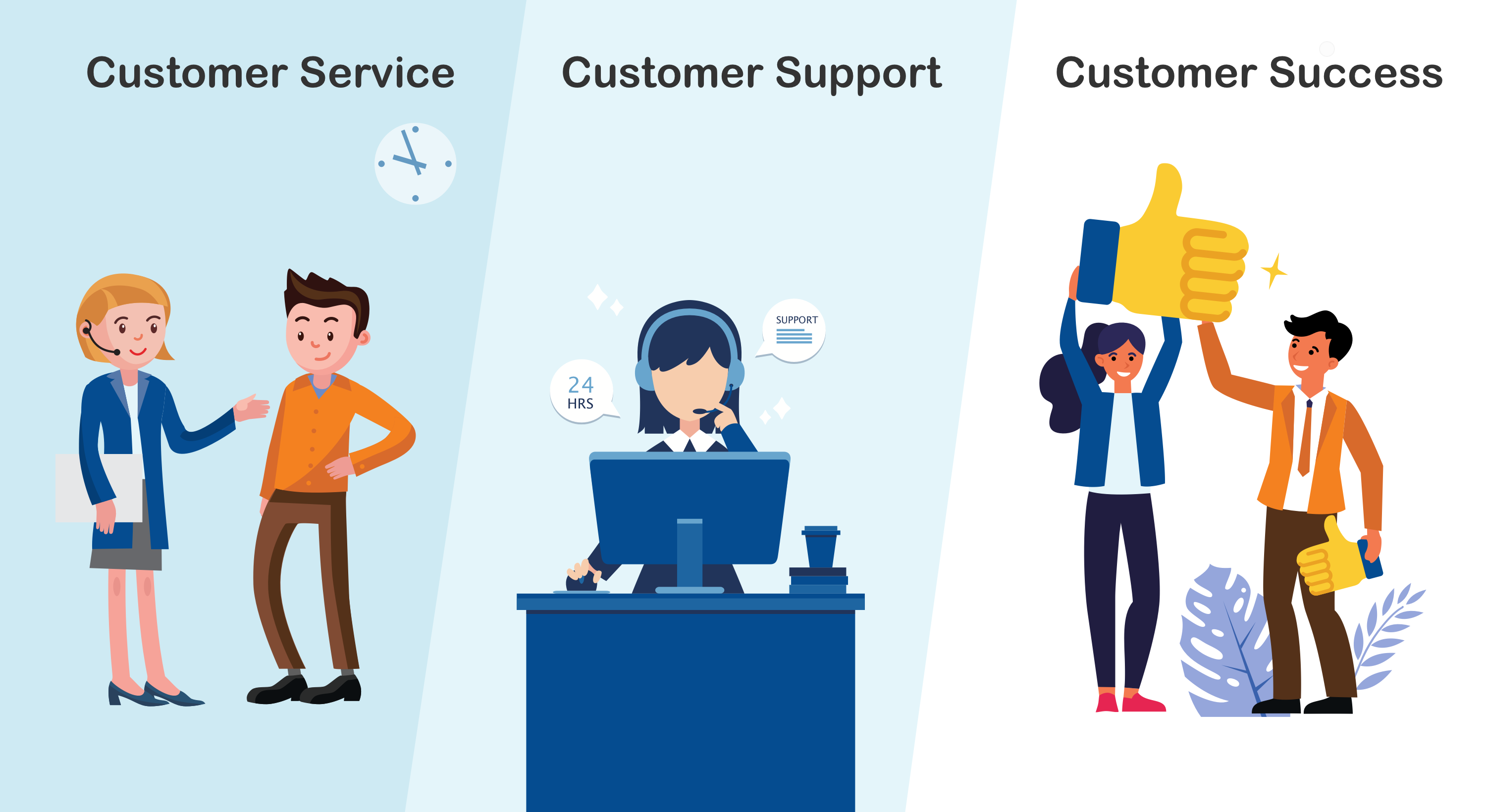
Customer service and customer support are often used interchangeably, but they serve different purposes within an organization. Customer service focuses on the overall customer experience, while customer support focus on solving product related problems or technical issues.
Understanding the difference is essential for defining team roles, improving response quality, and delivering a consistent customer experience. This article outlines the key distinctions, responsibilities, and practical implications of both functions.
What Is Customer Service?
Customer service refers to the assistance a company provides to customers before, during, and after a purchase. It focuses on delivering a positive overall experience through clear communication, timely responses, and building relationships.
Customer service includes handling inquiries, managing complaints, guiding customers through decisions, and ensuring interactions are smooth and consistent across channels. The goal is to improve satisfaction and encourage long-term loyalty.
Primary functions of customer service:
Customer service involves handling inquiries, offering guidance, and creating positive touchpoints. This proactive approach is key to improving overall satisfaction. Customer Service agents are required to:
- Engaging customers with empathy and personalized communication
- Handling general inquiries and complaints
- Building long-term relationships that encourage repeat business
- Ensuring that customers’ interactions with the company are seamless and positive
For example, think of a hotel concierge who not only checks in guests but also recommends local attractions or restaurants, creating a memorable experience that goes beyond just addressing immediate needs.
What Is Customer Support?
Customer support focuses on solving specific product related problems through reactive and specialized assistance. It typically addresses technical issues, troubleshooting requests, and functional challenges that arise after a purchase.
Support teams provide step by step guidance, diagnose system errors, resolve bugs, and ensure customers can use the product as intended. The primary goal is to restore functionality quickly and minimize disruption to the customer’s experience.
Primary functions of customer support:
Customer support ensures that customers can use the products they’ve purchased without issues. Teams in this role are equipped with the technical expertise needed to solve product-specific problems. Customer Support agents are required to:
- Have technical knowledge of product features and functionality
- Troubleshooting and problem-solving abilities
- Delivering clear and concise instructions for complex issues
- Keeping up with ongoing product updates
For instance, when a software company’s support team assists a user with resolving a technical issue through screen sharing, they are delivering customer support that directly impacts the customer’s ability to use the product.
Difference between Customer Service and Customer Support
While the terms are often used interchangeably, there are crucial differences that distinguish customer service from customer support. Customer service is broader, focusing on proactive engagement, relationship-building, and customer satisfaction throughout the entire journey. Customer support is more specific, reactive, and technical, aiming to resolve product-related concerns helping customers resolve specific issues or troubleshoot problems after a purchase.
Customer Service vs Customer Support: Comparison
| Metric | Customer Service | Customer Support |
| Focus | Focuses on overall customer experience and satisfaction across the entire journey. | Focuses on resolving specific product related problems or technical issues. |
| Approach | Proactive and relationship oriented. | Reactive and solution oriented. |
| Scope | Covers general inquiries, guidance, complaints, and experience management. | Covers troubleshooting, technical assistance, and product functionality issues. |
| Skills Required | Strong communication, empathy, relationship building and customer engagement skills. | Technical expertise, problem-solving, and product knowledge. |
| Timing | Engages customers before, during, and after purchase. | Typically engages after purchase when issues arise. |
| Metrics | Measured by customer satisfaction scores, net Promoter Score, retention rate. | Measured by resolution time, response speed, and ticket volume. |
| Goal | Builds loyalty and long term customer relationships. | Restores functionality and ensures product usability. |
Similarities Between Customer Service and Customer Support
1. Customer-Centric Focus: Both functions exist to serve the customer’s needs. Whether guiding a purchase decision or resolving a technical issue, the priority is to ensure customers feel supported and understood.
2. Issue Resolution: While the type of problem may differ, both teams are responsible for addressing concerns efficiently. The goal is to remove obstacles that affect the customer’s experience with the brand.
3. Strong Communication Skills: Clear and effective communication is essential in both roles. Representatives must listen carefully, explain solutions accurately, and ensure customers know what to expect next.
4. Impact on Customer Satisfaction: Customer service and customer support both influence overall satisfaction and retention. Consistent, positive interactions in either function strengthen trust and long-term loyalty.
Benefits of Customer Service and Customer Support
Effective customer service and customer support contribute directly to retention, brand trust, and long-term growth. While their focus differs, both functions strengthen customer relationships and protect revenue.
Customer Support
Quick Resolution
Customer support ensures technical problems are addressed promptly so customers can continue using the product without extended disruption. Faster resolution reduces frustration and prevents minor issues from escalating. This directly protects customer retention.
Improve Reliability
By consistently diagnosing and resolving product issues, customer support reinforces product dependability. Reliable support increases customer confidence in the brand and strengthens long-term trust.
Customer Loyalty
When customers know they can rely on prompt technical assistance, they are more likely to remain with the brand. Consistent after-sales support builds assurance that problems will not go unresolved.
Enhanced Customer Experience
A smooth support experience reduces stress during critical moments. Efficient troubleshooting and clear guidance contribute to overall satisfaction and strengthen brand perception.
Customer Service
Strong Customer Relationships
Customer service focuses on building meaningful, long-term connections through ongoing engagement and attentive communication. Positive interactions create familiarity and trust over time.
Higher Satisfaction
Personalized responses and proactive assistance improve satisfaction levels. Customers who feel valued are more likely to continue purchasing and recommend the brand.
Customer-Centric Approach
Customer service encourages businesses to align processes around customer expectations. This focus improves consistency across interactions and reinforces a customer-first culture.
Positive Brand Image
Consistently strong service enhances public perception and strengthens competitive positioning. A reputation for attentive service becomes a long-term strategic advantage.
Best Practices for Customer Service and Customer Support
If your business wants to excel in customer service, a few best practices will set you on the right path:
- Develop a company-wide, customer-first culture that prioritizes the customer experience.
- Invest in comprehensive training, focusing on soft skills like empathy, communication, and problem-solving.
- Use personalized communication strategies that cater to the specific needs of each customer.
- Continuously collect feedback to improve and evolve your service offerings.
For businesses focused on delivering outstanding customer support, here are some strategies to consider:
- Build a robust knowledge base that helps customers find answers quickly and independently.
- Implement a multi-tiered support system that ensures complex issues are escalated and resolved by the right experts.
- Ensure your team stays updated on the latest product developments and is equipped to provide accurate, up-to-date information.
Use data analytics to identify common issues and provide proactive support, preventing problems before they arise.
How Technology Enhances Both Customer Service and Support
In today’s digital age, leveraging technology is no longer optional; it’s essential for efficient customer service and support. Some tools and technologies that can help your business include:
- Omnichannel Help Desk platform for a seamless experience across various touch points like email, chat, phone, and social media
- Customer Relationship Management (CRM) software for tracking customer interactions and history
- AI-powered chatbots for handling routine inquiries 24/7
- Analytics tools for monitoring performance metrics and identifying areas for improvement
Emerging Trends in Customer Service and Support
As we look ahead, several trends are emerging that will shape the future of customer service and support:
- The integration of AI and machine learning for hyper-personalized customer interactions
- A growing demand for self-service options that allow customers to solve issues on their own
- The increasing use of video support for complex troubleshooting
- The rise of augmented reality (AR) in technical product support
- More proactive support models, driven by predictive analytics
Conclusion: Striking the Perfect Balance
Understanding the differences between customer service and customer support is critical for creating a stronger customer relationships and customer experience strategy. Customer service focuses on delivering a consistent and positive experience, while customer support concentrates on resolving product related problems and technical issues effectively. By balancing these two functions, businesses can enhance customer satisfaction, build loyalty, and stay competitive in an evolving market.
FAQ
1. What is the difference between customer service and customer support?
Customer service focuses on the overall customer experience, including communication, relationship management, and satisfaction across the entire journey. Customer support focuses on resolving specific product or technical issues to ensure customers can use a product effectively.
2. Which is more important: customer service or customer support?
Both are important but serve different purposes. Customer service strengthens satisfaction and loyalty, while customer support ensures customers can use products effectively. Businesses need both to deliver a complete experience.
3. Does customer support fall under customer service?
In many organizations, customer support is considered a subset of customer service. However, support typically has a narrower focus on technical problem resolution, while customer service covers broader interactions across the customer journey.
4. How are customer service and customer support measured?
Customer service is often measured using customer satisfaction scores and net promotor score. Customer support is commonly measured by resolution time, response time, and issue volume.
5. When should a business use customer service vs customer support?
Customer service should be used for general inquiries, relationship management, and overall experience improvement. Customer support should be used when customers face product related or technical issues that require troubleshooting.