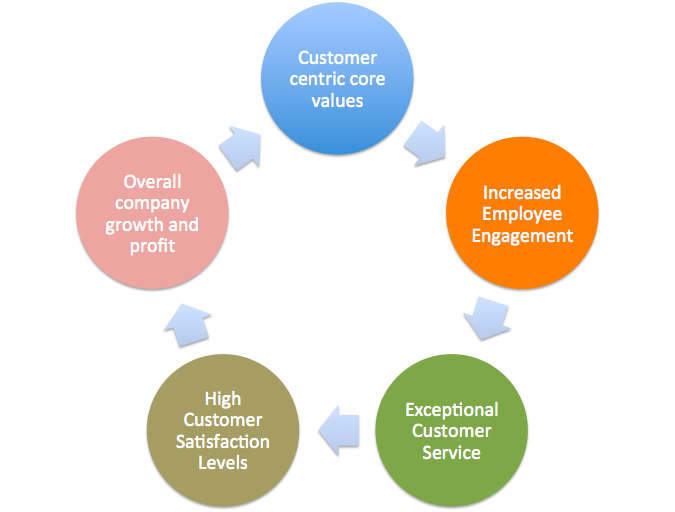
Ever feel like you’re always playing catch-up with customer issues? You’re not alone. As a help desk professional , I’ve been there. But what if I told you there’s a way to get ahead of problems before they even happen?
Enter proactive customer service. It’s not just a buzzword – it’s a game-changer for support teams. Let’s dive into what proactive customer service is, why it matters, and nine ways you can implement it in your organization.
What is Proactive Customer Service?
Proactive customer service is all about anticipating and addressing customer needs before they become problems. Instead of waiting for customers to reach out with issues, you’re taking the initiative to solve potential problems in advance. Think of it like this: If reactive support is playing defense, proactive support is playing offense. You’re not just responding to issues – you’re preventing them from happening in the first place.
Why Proactive Customer Service Matters
Implementing a proactive approach to customer service can be a game-changer for your business. Here’s why:
- Increased Customer Satisfaction: By addressing issues before they become problems, you’re creating a smoother experience for your customers.
- Reduced Support Ticket Volume: Proactively solving common issues means fewer customers need to reach out for help.
- Improved Customer Loyalty: When customers see you’re looking out for them, they’re more likely to stick around.
- Cost Savings: Preventing issues is often less expensive than solving them after they’ve occurred.
- Competitive Advantage: In a world where most support is reactive, being proactive can set you apart from the competition.
9 Ways to Deliver Proactive Customer Service
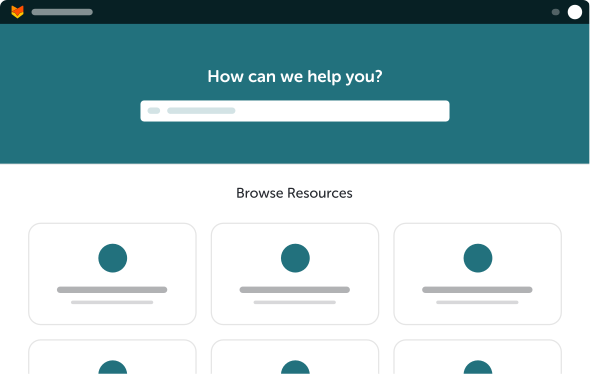
1. Develop a Robust Knowledge Base
- Create comprehensive, easy-to-navigate self-help resources.
- Regularly update content based on common customer inquiries.
- Use analytics to identify gaps in your knowledge base.
2. Implement Smart Onboarding
- Design a thorough onboarding process for new customers.
- Provide tutorials, guides, and FAQs specific to new user needs.
- Check in with new customers regularly during their first few weeks.
3. Leverage AI Agents
- Implement AI-powered chatbots to handle routine inquiries instantly.
- Use AI to analyze customer interactions and identify potential issues.
- Allow AI agents to proactively reach out to customers with relevant information or assistance.

4. Automate Scheduling Processes
- Set up automatic scheduling for routine maintenance or check-ins.
- For example, if one of your products requires routine maintenance, place customers on an automatic schedule so they don’t have to make appointments manually.
- Send reminders and confirmations to ensure customers don’t miss important appointments.
5. Conduct Regular Customer Surveys
- Ask for feedback at key points in the customer journey.
- Use CSAT survey results to identify areas for improvement.
- Follow up on negative feedback promptly.
6. Provide Multichannel Support
- Offer support across various channels (email, chat, phone, social media).
- Ensure consistency in messaging across all channels.
- Be where your customers are before they need to seek you out.

7. Create Proactive Communication Campaigns
- Send out regular updates about product changes, known issues, or tips and tricks.
- Use segmentation to ensure these communications are relevant to each customer.
- Balance informative content with promotional material.
8. Invest in Customer Education
- Develop a library of educational content about your product or service.
- Host webinars or workshops to teach customers how to get the most out of your offering.
- Create a community forum where customers can share knowledge and experiences.
9. Empower Your Support Team
- Train your team to identify opportunities for proactive support.
- Give them the tools and authority to reach out to customers preemptively.
- Encourage creativity in finding ways to surprise and delight customers.
The Future of Proactive Customer Service
As we look ahead, proactive customer service is only going to become more important. Here’s what’s on the horizon:
- AI-Powered Predictions: Machine learning will help identify potential issues with even greater accuracy.
- Hyper-Personalization: Proactive support will become increasingly tailored to individual customer needs and behaviors.
- Integrated Product Experiences: Proactive support will be seamlessly built into products themselves, not just support channels.
HappyFox: Your Ally in Proactive Customer Service
While the strategies above can be implemented with various tools, a dedicated customer service platform can make the process much smoother. That’s where HappyFox comes in.
HappyFox offers a comprehensive suite of tools designed to support proactive customer service:
- Smart Ticket Management: Automatically categorize and prioritize tickets to spot trends early.
- Knowledge Base Management: Easily create and update self-service resources.
- Customer Surveys: Gather and analyze customer feedback effortlessly.
- Predictive Analytics: Use data to anticipate customer needs and potential issues.
- Multichannel Support: Manage all your support channels from a single platform.
With these tools, you can implement all nine proactive strategies we’ve discussed more efficiently and effectively.
Conclusion: Embrace Proactive Customer Service
Proactive customer service isn’t just a nice-to-have – it’s a must-have for any business that wants to stand out in today’s competitive landscape. By anticipating and addressing customer needs before they become problems, you’re not just solving issues – you’re building lasting relationships.
Remember, in the world of customer service, those who lead with proactive support will be the ones who truly stand out. Are you ready to get ahead of the game?
If you’re interested in seeing how HappyFox can support your proactive customer service efforts, why not book a demo? Experience firsthand how our tools can transform your support strategy.