How quickly does your knowledge base become outdated as your organization grows? According to Gartner, organizations waste an average of $5.7 million annually searching for or recreating information that already exists but can’t be found.
From choosing the right architecture to selecting software that grows with your needs, this article explores how to build a knowledge management system that scales seamlessly with your organization.
Why You Need a Scalable Knowledge Base?
Modern organizations face several challenges that make a scalable knowledge base essential:
- Growing support volume requires more documentation
- Organizations need both internal and external knowledge sharing
- Teams expand across departments and locations
- Product complexity increases over time
- Customer expectations for self-service keep rising
- Need to maintain security while sharing information
Understanding Internal vs External Knowledge Bases
- Support team documentation
- Process guides and workflows
- Internal policies and procedures
- Sensitive company information
- Training materials
External Knowledge Bases
- Customer-facing documentation
- Product guides and FAQs
- Troubleshooting information
- Service descriptions
- Common questions and answers
Key Components of Scalable Architecture
1. Content Structure
- Hierarchical organization
- Flexible categorization
- Tag-based organization
- Cross-referencing capabilities
2. Access Management
- Role-based permissions
- Department-level controls
- User group management
- Scalable authentication
3. Search Infrastructure
- Full-text search capabilities
- Advanced filtering options
- Quick response times
- Relevance optimization
4. Content Delivery
- Fast loading times
- Mobile responsiveness
- Multi-format support
- Global accessibility
Essential Features for Scalability
- Content Management
- Version control
- Bulk operations
- Template systems
- Workflow automation
- User Management
- Automated provisioning
- Group management
- Access controls
- Activity tracking
- Performance Optimization
- Caching systems
- Load balancing
- Content distribution
- Resource optimization
- Analytics and Reporting
- Usage tracking
- Performance monitoring
- Content effectiveness
- User behavior analysis
Best Practices for Implementation
- Planning Phase
- Define scalability requirements
- Assess future growth
- Plan content structure
- Design user workflows
- Content Strategy
- Create content guidelines
- Establish update processes
- Plan content lifecycle
- Define ownership
- Technical Configuration
- Optimize performance settings
- Configure search systems
- Set up monitoring
- Plan backup strategies
HappyFox: Comprehensive Knowledge Management Solution
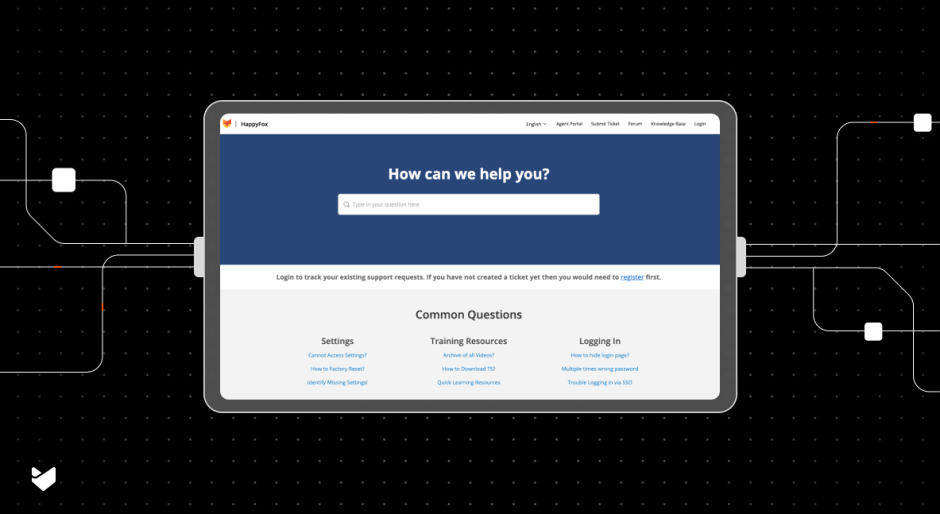
HappyFox provides a unified platform for both internal and external knowledge bases. Building on its powerful help desk and knowledge base integration, HappyFox offers a complete solution that scales with your organization’s needs.
Unified Platform, Separate Spaces
- Manage internal and external knowledge bases within one system
- Create separate content spaces for different audiences
- Maintain different branding for public and private knowledge bases
- Switch easily between internal and external content management
Superior Access Control
- Role-based permissions for internal content
- Department-specific access controls
- Team-level content management
- Granular user permissions
- Public vs private article controls
AI-Powered Knowledge Management
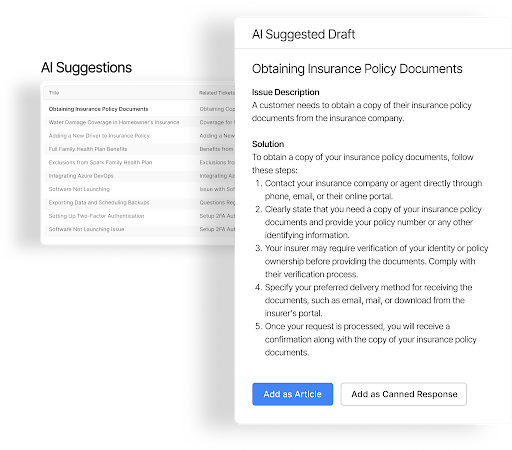
- AI Knowledge identifies content gaps
- AI suggests new articles based on usage patterns
- AI Copilot helps create and maintain content
- AI Insights provides optimization recommendations
Robust Search Capabilities
- Full-text search
- Auto-suggest features
- Smart categorization
- Related content linking
Advanced Analytics
- Usage tracking
- Content effectiveness
- User engagement metrics
- Performance monitoring
Through this combination of flexible architecture, unified platform capabilities, and AI-powered features, HappyFox helps organizations build and maintain scalable knowledge management systems that grow with their needs.
Common Scaling Challenges
Content Growth
Challenge: Managing increasing content volume
Solution: HappyFox’s AI helps identify gaps, prioritize topics and draft content.
User Expansion
Challenge: Supporting more users and groups
Solution: Flexible access controls and role-based permissions
Security Needs
Challenge: Maintaining data security while enabling access
Solution: Granular access controls and separate internal/external spaces
Performance
Challenge: Maintaining speed as system grows
Solution: Optimized architecture and efficient resource management
The Future of Knowledge Management
As organizations continue to grow, we can expect:
- More sophisticated AI assistance
- Enhanced automation capabilities
- Better content optimization
- Improved scalability tools
- Deeper integration between internal and external knowledge bases
The key is choosing a solution that can adapt to these evolving needs while maintaining security and usability.
Conclusion: Building for Growth
A scalable knowledge management system isn’t just about handling more content – it’s about creating a foundation that supports your organization’s growth while maintaining efficiency and usability for both internal teams and external customers.
Ready to build a knowledge management system that grows with your organization? Explore how modern solutions can help you create a scalable, efficient knowledge base that serves all your audiences.