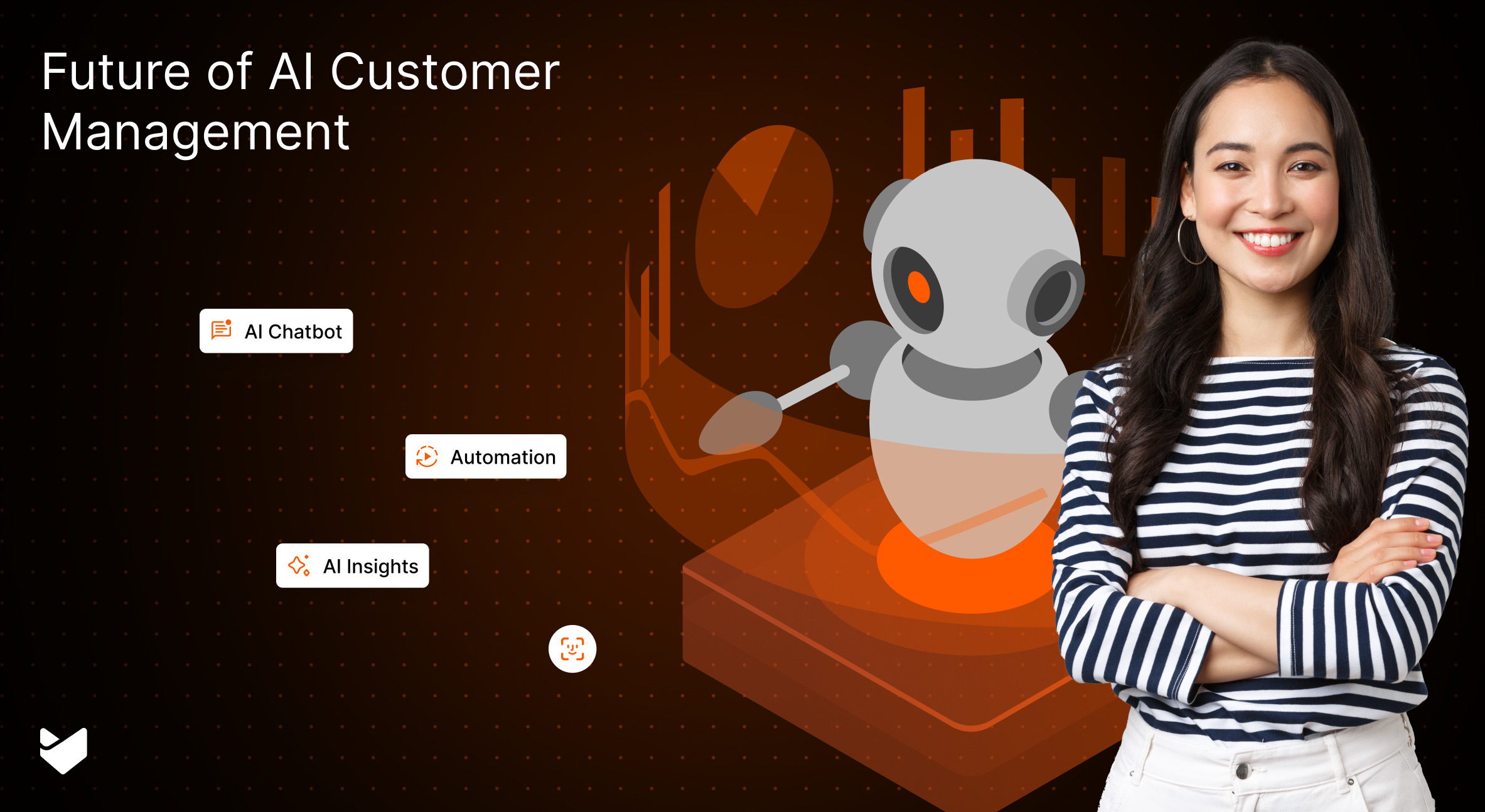
Remember the last time you called customer service and got stuck in an endless phone tree? Or when a chatbot kept giving you irrelevant answers? Well, those frustrating experiences are becoming relics of the past. As we look toward the future, Artificial Intelligence is revolutionizing customer experience in ways we never imagined possible.
The Evolution of AI in Customer Experience
The journey of AI in customer service has been nothing short of remarkable. Just a few years ago, AI was limited to basic chatbots that could barely understand simple queries. Today, we’re seeing sophisticated AI systems that can auto respond to complex queries, identify sentiments in customer conversations, and more.
“Support teams are increasingly moving from reactive problem-solving to predictive issue prevention. Modern AI-powered help desk solutions analyze patterns in support data to identify potential problems before they impact multiple customers.”
This transformation isn’t just impressive; it’s necessary. With customer expectations higher than ever and the digital landscape becoming increasingly complex, businesses need AI to keep up.
The Game-Changing Impact of AI on Customer Experience
Let’s talk about what AI means for modern customer support. Imagine a support system that knows which agent is best suited for each ticket, or a knowledge base that automatically suggests relevant articles based on customer queries. This isn’t future technology – it’s happening right now in customer service.
Take ticket routing, for example. AI-powered help desk systems don’t just randomly assign tickets – they analyze the content, urgency, and complexity of each request to route it to the most qualified agent. It’s like having an experienced supervisor who knows exactly which team member can best handle each situation.
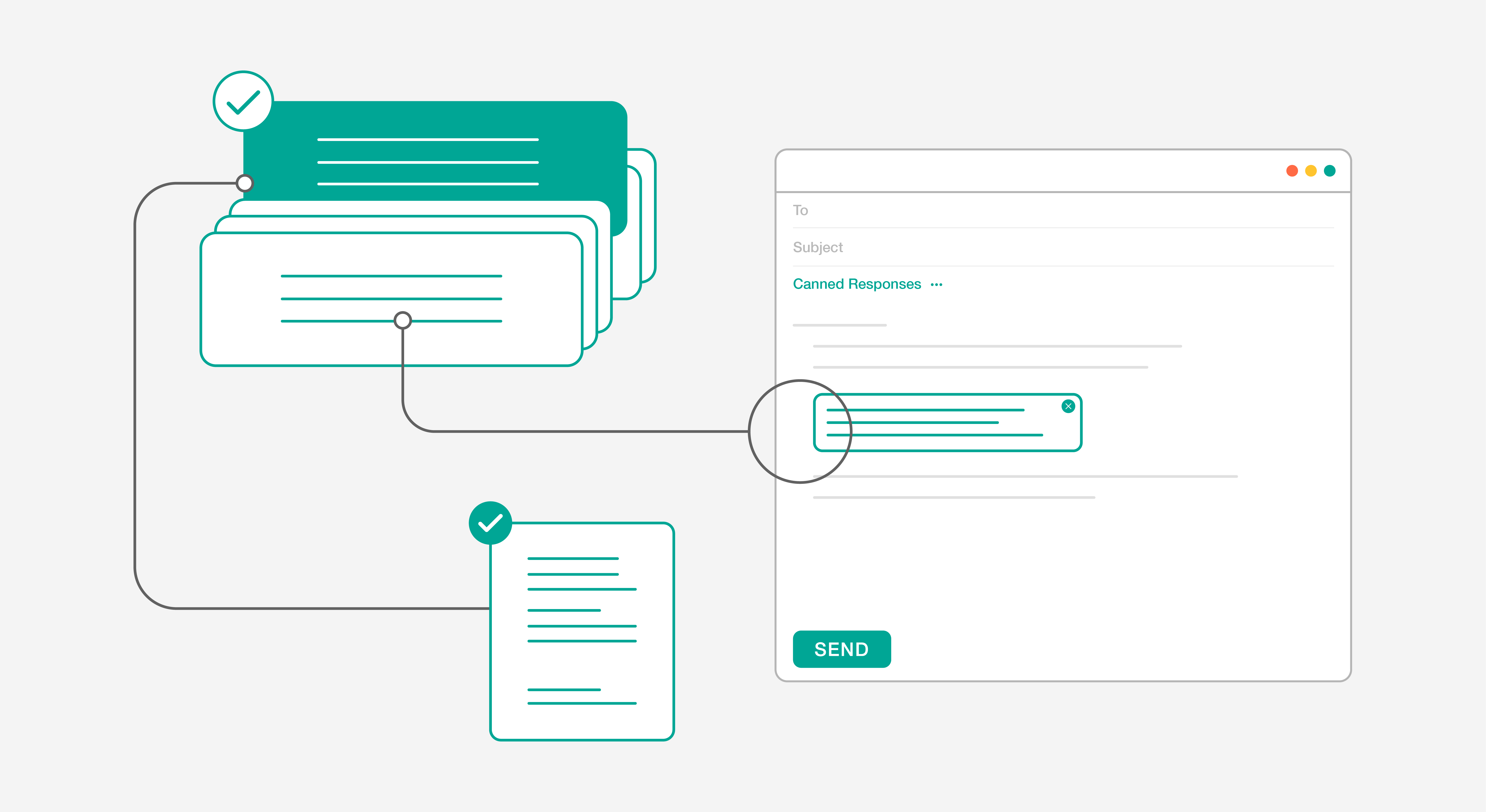
But it goes beyond just ticket routing. Modern help desk AI can draft responses based on previous similar tickets, identify trending issues before they become widespread, and even convert complex support interactions into knowledge base articles automatically. When a customer writes in about a technical issue, the system can instantly analyze thousands of past tickets to suggest the most effective solution, helping agents respond faster and more accurately.
The Human Touch in an AI World
Here’s the interesting part – as AI becomes more advanced, it’s actually making customer service more human, not less. It sounds counterintuitive, right? But think about it: when AI handles the routine tasks, human agents can focus on what they do best – showing empathy, solving complex problems, and building relationships.
Real-World Applications Making Waves
Let’s look at some exciting ways companies are using AI to transform customer experience:
Predictive Experience Management
Imagine knowing when a customer is getting frustrated before they escalate their issue. When a customer has reopened tickets multiple times or has several unresolved issues, the AI alerts support teams to intervene proactively. This helps prevent customer dissatisfaction before it leads to churn.
Experience Pattern Analysis
Support teams can spot satisfaction trends through AI-powered analytics. The system identifies which types of responses lead to higher satisfaction scores, which resolution approaches work best for different customer segments, and what times of day yield the best customer feedback. This helps teams continuously refine their support approach based on actual customer preferences.
Smart Virtual Assistants
Bank of America’s Erica is more than just a chatbot. This AI assistant can understand complex banking queries, provide financial advice, and even detect when customers might be facing financial difficulties, prompting proactive support from human advisors.
The Challenges We’re Overcoming
Of course, this AI revolution hasn’t been without its hurdles. Privacy concerns, data security, and the fear of losing the human touch are all valid concerns. But companies are finding innovative ways to address these challenges.
“Customers need to know how their data is being used and have control over it.” Many companies now offer clear opt-in policies and detailed explanations of how their AI systems work.
What’s Next on the Horizon?
The future of AI in customer experience looks even more exciting. Here are some developments we’re starting to see:
AI that understands Sentiments
Advanced systems that can read and respond to emotional cues are becoming more sophisticated. Imagine calling customer service and having the AI automatically adjust its tone and approach based on your emotional state.
Augmented Reality Integration
Companies are combining AI with AR to create immersive customer experiences. Need help assembling a piece of furniture? Soon, you might use your phone to project an AI-powered assistant that can show you exactly what to do.
Predictive Personalization
AI systems are getting better at anticipating customer needs before they arise. They’ll be able to predict when you’re likely to need support and reach out proactively with solutions.
Making It Work in Your Business
If you’re thinking about implementing AI in your customer experience strategy, here’s what you need to know:
- Start Small Begin with specific, manageable projects. Maybe it’s implementing a smart chatbot or using AI to route customer queries more effectively. Success in small projects builds confidence for bigger initiatives.
- Focus on Value Every AI implementation should solve a real problem or improve an existing process. Don’t implement AI just for the sake of having it.
- Keep the Human Element Remember that AI should enhance, not replace, human interaction. The best results come from finding the right balance between automated and human support.
Preparing for the Future
As we look ahead, it’s clear that AI will play an increasingly important role in customer experience. But success isn’t just about having the latest technology – it’s about using it wisely.
“The companies that will thrive are those that use AI to amplify their human strengths, not replace them,” says Customer Experience Futurist Blake Morgan. “It’s about creating experiences that are both efficient and emotionally resonant.”
Best Practices for Success
To make the most of AI in customer experience:
- Collect and use data responsibly
- Train your team to work alongside AI
- Regularly evaluate and adjust your AI systems
- Keep the focus on customer needs
- Maintain transparent communication about AI use
Looking to the Future
The future of customer experience is being shaped by AI in ways we’re just beginning to understand. From predictive support to emotional intelligence, the possibilities are endless. But one thing remains constant: the need to put customers first.
As AI continues to evolve, we’ll see even more innovative ways to enhance customer experience. The key is to stay focused on using technology to create more meaningful, efficient, and personalized interactions.
Conclusion
The future of AI in customer experience isn’t about replacing human interaction – it’s about enhancing it. By automating routine tasks and providing deeper insights, AI frees up humans to do what they do best: build relationships, solve complex problems, and create memorable experiences.
As we move forward, the most successful companies will be those that find the right balance between artificial intelligence and human touch. They’ll use AI not just as a tool for efficiency, but as a means to create more meaningful connections with their customers.
Ready to embrace the future of customer experience? Remember: start small, stay focused on customer needs, and never lose sight of the human element. The AI revolution in customer experience is just beginning, and the possibilities are endless.