Remember the days when a sincere apology could make up for slow service? When a generic pre-written response was an acceptable solution to a query. That time is as extinct as video rental stores. Today’s savvy customers demand real-time, individualized assistance across all touchpoints. Yet, countless companies are trapped in a bygone era, delivering outdated service that’s costing them their competitive edge. Join us as we dissect five examples of these antiquated practices and reveal how HappyFox is launching businesses into the future of customer service.
1. Inefficient Email Management
Sarah emails your support team about an issue with her recent purchase. Days pass without a response. When she finally hears back, it’s from an agent who seems oblivious to her previous interactions. The agent asks for information Sarah already provided. This frustrating back-and-forth continues for over a week, with different agents picking up the conversation each time, asking Sarah to repeat herself or offering conflicting advice.
This bad customer service experience leaves Sarah feeling ignored and undervalued. It’s a perfect example of how poor email management and lack of internal communication can turn a simple query into a customer service nightmare.
HappyFox’s Solution:
HappyFox’s ticketing system prevents this type of bad customer service:
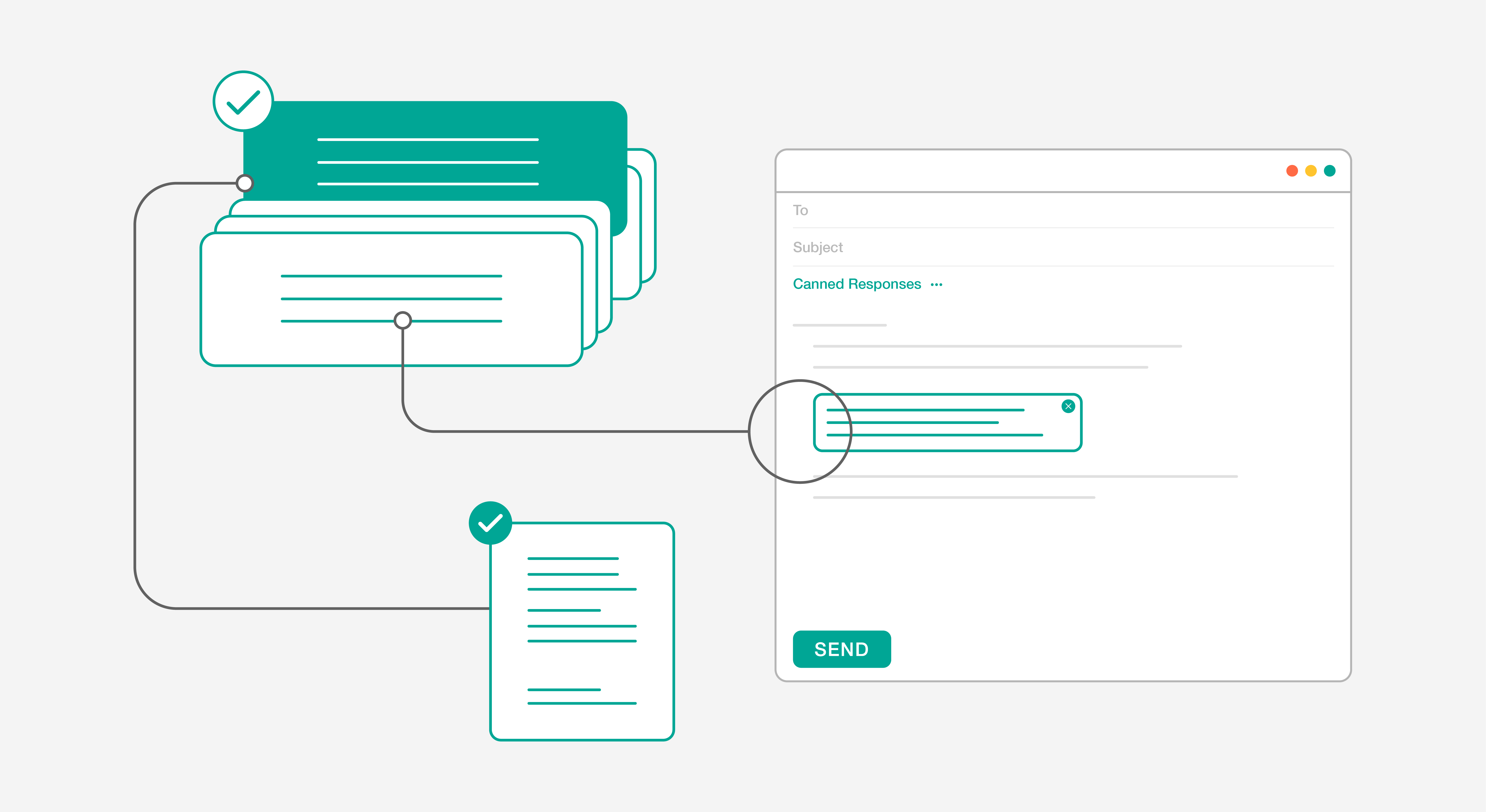
- Centralized Communication: Every email is converted into a ticket, with all subsequent communication threaded together. Any agent can see the full history at a glance.
- Smart Ticket Assignment: Our Smart Rules feature automatically categorizes and assigns tickets to the right agents, ensuring queries land with someone equipped to help from the start.
- Internal Notes: Agents can leave private notes on tickets, sharing insights with colleagues without cluttering customer-facing communication.
2. Live Chat Disconnections: Compromising Customer Trust and Efficiency
Tom initiates a live chat on your website about a software glitch. After 20 minutes of detailed explanation, the chat window freezes and disconnects. When Tom starts a new chat, he’s connected with a different agent who has no record of his previous conversation. Tom has to explain everything again, wasting nearly an hour and still no closer to a solution.
This “chat vanishing act” is a prime example of bad customer service. It wastes the customer’s time, forces repetition, and erodes confidence in your support capabilities.
HappyFox’s Solution:
HappyFox Chatbot is designed to prevent such bad customer service scenarios:
- Seamless Integration: HappyFox Chatbot integrates with our help desk system. Even if a chat disconnects, the conversation is saved as a ticket inside the help desk.
- Conversation Continuity: If Tom’s chat disconnects, any agent can access the saved chat history and pick up where they left off.
- Proactive Support: With the chat history saved, agents can proactively reach out to Tom to resolve his issue, turning a potentially negative experience into a positive one.
3. SLA Violations: Breaking Commitments and Customer Confidence
Alex submits a high-priority ticket about a critical bug in your software. He receives an automatic response promising that all critical issues will be addressed within 4 hours. But 24 hours pass without a real response. When Alex finally hears back, it’s a generic apology for the delay with no acknowledgment of the issue’s severity or the missed deadline.
This breakdown in service level agreement (SLA) adherence is more than just bad customer service – it’s a breach of trust that could cost you a customer for life.
The HappyFox Solution:
HappyFox’s SLA management features prevent such critical oversights:
- Custom SLA Rules: Set up detailed SLA policies based on ticket priority, status, source or customer type. Critical issues like Alex’s can be flagged for rapid response.
- Automated Alerts: Agents and support team leaders receive email notifications on SLA breaches, ensuring high-priority tickets don’t slip through the cracks.
- Escalation Workflows: Using Smart Rules, new tickets that are not responded within the desired time can be automatically assigned to a senior support staff.
4. Ineffective Knowledge Base: When Self-Service Becomes a Barrier
Linda, a new user of your software, searches your knowledge base for help with setting up task dependencies. She’s presented with a long list of articles, none of which seem to directly address her question. After 30 minutes of fruitless searching through outdated or overly technical articles, Linda gives up and submits a support ticket.
This scenario shows how a poorly maintained knowledge base can transform from a helpful tool into a source of bad customer service, driving customers to seek direct support and increasing their frustration.
The HappyFox Solution:
HappyFox’s Knowledge Base feature is designed to make self-service effective:
- Smart Search: Our advanced search functionality not just suggests relevant knowledge articles but can also give you the exact answer your looking for by pulling out and summarizing specific sections from the knowledge articles .
- Content Organization: Easily categorize and tag articles, making navigation intuitive for users.
- AI-Powered Suggestions: Our system can analyze common customer queries and suggest topics for new knowledge base articles, helping you proactively address user needs
5. Inconsistent Multi-Channel Support: The Perils of Disconnected Communication
James reaches out about a booking discrepancy through email, live chat, phone, and social media. He receives different, often conflicting information from each channel. This lack of consistency turns a simple query into a frustrating ordeal, eroding James’s trust in your company.
This multi-channel muddle exemplifies how disconnected communication channels can create a chaotic and frustrating customer service experience.
The HappyFox Solution:
While HappyFox doesn’t consolidate all interactions into a single ticket, it does offer powerful tools to improve multi-channel support:
- Channel Flexibility: Agents can handle queries from multiple channels (email, chat, phone, social media) within the same interface, promoting consistency.
- Smart Routing: Incoming queries can be automatically directed to the most appropriate agent or department, regardless of the channel they came through.
- Integrated Knowledge Base: Agents have access to your knowledge base directly within the ticket interface, allowing them to provide consistent, accurate information across all channels.
HappyFox: Your Path to Better Customer Service
Bad customer service isn’t just frustrating – it’s expensive. Studies show that after one negative experience, 51% of customers will never do business with that company again. But with HappyFox, you can turn these service nightmares into customer success stories.
Our comprehensive AI-powered help desk solution offers
- True omnichannel experience
- Intelligent ticket management
- Advanced automation capabilities
- Robust SLA tracking
- Integrated knowledge base
Don’t let bad customer service cost you another customer. Explore how HappyFox can transform your support from a potential liability into a growth driver. Your team will thank you, your customers will love you, and those bad customer service stories? They’ll be nothing but a distant memory.
Frequently Asked Questions
Q1: What are the most common examples of bad customer service?
A: The five most common examples of bad customer service include inefficient email management where customers receive delayed or fragmented responses, live chat disconnections that force customers to repeat information, SLA violations where promised response times aren’t met, ineffective knowledge bases with outdated or hard-to-find information, and inconsistent multi-channel support where customers receive conflicting information across different communication channels.
Q2: How does inefficient email management damage customer relationships?
A: Inefficient email management creates frustrating experiences where customers wait days for responses, then receive replies from agents who don’t know their previous interactions. Customers must repeat information they already provided, encounter different agents with conflicting advice, and endure week-long back-and-forth exchanges. This leaves customers feeling ignored and undervalued, turning simple queries into customer service nightmares that damage trust and loyalty.
Q3: Why are live chat disconnections considered bad customer service?
A: Live chat disconnections waste customers’ time and erode confidence in support capabilities. When chats freeze or disconnect, customers must start over with new agents who have no record of previous conversations. This forces customers to re-explain detailed issues, potentially wasting hours without getting closer to solutions. It’s considered a ‘chat vanishing act’ that demonstrates poor system reliability and lack of conversation continuity.
Q4: What happens when companies violate their SLA commitments?
A: SLA violations represent breaches of trust that can cost customer relationships. When companies promise response times—such as addressing critical issues within 4 hours—but fail to deliver, customers lose confidence. Generic apologies without acknowledging the severity of missed deadlines compound the problem. These violations are more than bad customer service; they demonstrate that companies don’t honor their commitments, potentially costing customer loyalty forever.
Q5: How can a poorly maintained knowledge base hurt customer experience?
A: A poorly maintained knowledge base transforms from a helpful self-service tool into a barrier that frustrates customers. When customers search for answers but find long lists of irrelevant, outdated, or overly technical articles, they waste significant time without finding solutions. After fruitless searching, they give up and submit support tickets, increasing support volume while also experiencing frustration that could have been prevented with better content organization and search functionality.
Q6: Why is inconsistent multi-channel support problematic?
A: Inconsistent multi-channel support creates chaos when customers receive different or conflicting information across email, live chat, phone, and social media. What should be a simple query becomes a frustrating ordeal as customers navigate contradictory responses from various channels. This multi-channel muddle erodes trust in the company and demonstrates disconnected internal communication, making customers question the reliability of any information they receive.
Q7: What is the business impact of bad customer service?
A: Bad customer service is expensive beyond just frustrating experiences. Studies show that after one negative experience, 51% of customers will never do business with that company again. This customer churn directly impacts revenue and growth. Additionally, bad experiences can lead to negative reviews, reduced referrals, and damage to brand reputation, making customer acquisition more costly while simultaneously losing existing customers.
Q8: How can businesses prevent these common customer service failures?
A: Businesses can prevent common failures by implementing centralized ticketing systems for email management, integrating chat platforms with help desk systems for conversation continuity, establishing automated SLA tracking with escalation workflows, maintaining searchable and organized knowledge bases with AI-powered suggestions, and creating unified support interfaces that promote consistency across all communication channels. These solutions ensure agents have complete context and customers receive reliable, efficient support.