Why do some businesses thrive while others struggle despite offering similar products? The answer often lies in how they manage customer relations. Building strong customer connections is an art and science—combining the right strategies, psychology, and tools. With over a decade of experience in helping companies strengthen customer bonds, I’m here to share the secrets of exceptional customer relations.
What is Customer Relations?
Customer relations refers to the strategies and practices a business uses to build, nurture, and maintain long-term connections with its customers. While customer service is about managing individual interactions, customer relations encompass the entire relationship lifecycle, creating loyalty and trust over time.
The Psychology Behind Customer Relations
Trust
Building trust with customers requires time, effort, and consistency. When trust is established, customers become more forgiving of mistakes, more loyal, and more likely to provide honest feedback. Brands that actively engage customers on social media, for instance, often see a 30% higher engagement rate and deeper trust.
Recognition
Personalized interactions and recognition significantly increase customer satisfaction and loyalty. Studies show that personalized experiences can boost satisfaction by 20% and customer lifetime value by up to 30%. Customers who feel recognized are more likely to return and recommend your brand.
Core Elements of Strong Customer Relations
- Clear Communication
- Use language that resonates with your audience.
- Be transparent about policies, especially changes.
- Consistency is key—ensure messaging aligns across all channels.
- Regularly audit customer communications to maintain clarity and coherence.
- Emotional Intelligence
- Train customer support teams to recognize and respond to emotional cues, enhancing every interaction.
- Show empathy, particularly during difficult situations, to build rapport.
- Anticipate customer needs, which leads to more proactive engagement and positive experiences.
- Proactive Engagement
- Reach out with relevant updates, keeping customers informed.
- Anticipate and address issues before they arise to reduce negative experiences.
- Actively seek customer feedback to improve processes and address pain points.
Building a Winning Customer Relations Strategy
To build a customer relations strategy that works, follow these key steps:
Understand Your Customers
Create detailed customer profiles that include demographics, preferences, and communication habits. Identify their pain points so you can anticipate their needs and address their expectations effectively.
Set Clear Goals
Define measurable objectives, such as satisfaction targets, retention rates, response times, and resolution quality. Clear goals keep your strategy focused and allow you to track your progress.
Create Touchpoint Maps
Document each customer interaction, from pre-purchase encounters to post-purchase support and loyalty programs. This helps ensure you’re effectively managing every stage of the customer journey.
Common Challenges in Customer Relations
- Consistency Across Channels Customers interact with businesses across various channels, making it challenging to ensure a seamless experience. Using an omnichannel solution can help unify messaging and create a consistent quality of interaction across all platforms.
- Scaling Personal Attention Personalization becomes difficult as the customer base grows. CRM and help desk tools help scale personalization by automating responses while preserving the personal touch.
- Meeting High Expectations Today’s customers expect swift responses, personalized service, and seamless experiences. Meeting these demands requires strategic planning and technology to avoid disappointing customers.
The Role of Technology in Customer Relations
Modern help desk solutions, like HappyFox, streamline and elevate customer relations through several key features:
- Centralized Communication
- Manage all interactions in one place, with complete conversation history readily accessible.
- Centralized customer information allows for consistent communication and more effective service.
- Personalization at Scale
- Store and track customer profiles to create tailored responses and workflows, ensuring each customer feels valued.
- Proactive Support
- Set up automated follow-ups, schedule check-ins, and use categorization tools to prioritize customer needs efficiently. This proactive approach helps keep customers engaged and satisfied.
How Help Desk Software Enhances Customer Relations
Help desk software can be a game-changer for customer relations. Here’s how:
- Streamlined Communication Management Robust help desk software centralizes communication channels—emails, chats, social media, and calls—ensuring all interactions contribute to a unified experience.
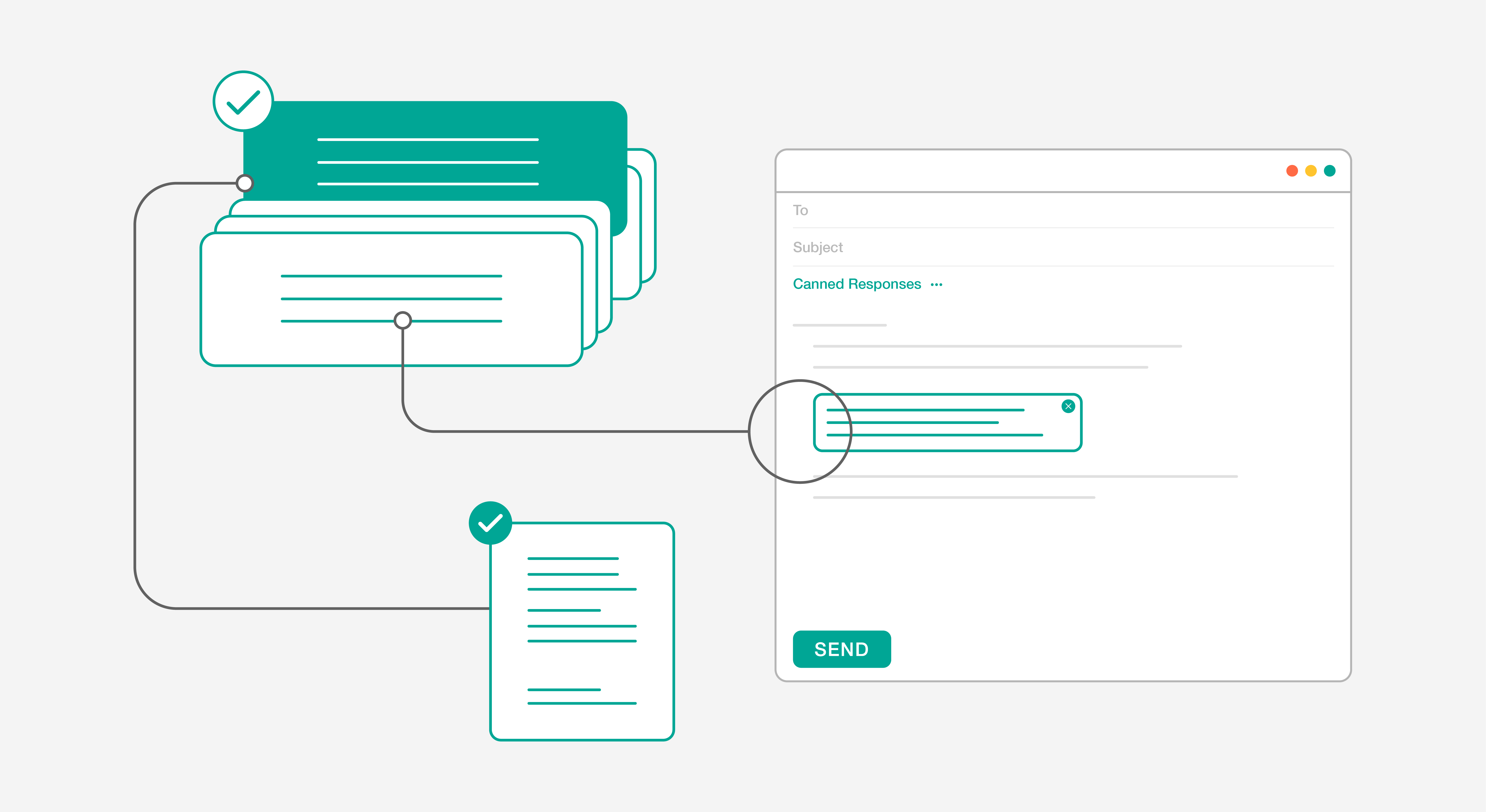
- Enhanced Response Quality Canned responses, knowledge bases, and collaboration tools allow teams to resolve issues with greater accuracy and speed, helping to improve response quality and customer satisfaction.
- Data-Driven Relationship Building Help desks offer insights into common customer concerns, response times, and satisfaction levels, enabling continuous improvement and well-informed strategies.
Why HappyFox Stands Out in Customer Relations
HappyFox’s suite of tools provides unique advantages for businesses focused on building strong customer relations:
- Smart Automation with a Personal Touch Automatically route tickets, set up workflows, and send personalized responses based on customer history, balancing efficiency with a personal feel.
- Comprehensive Knowledge Management A robust knowledge base can reduce response times and empower both customers and support teams, enhancing the overall service experience.
- Advanced Customer Insights Track customer satisfaction, analyze trends, and make data-informed decisions to enhance customer relations and drive continuous improvement.
- Omnichannel Support Done Right Manage all customer channels from one interface, ensuring consistent quality and tracking preferences across touchpoints.
- AI-Powered Customer Relations Use AI to predict customer sentiment, suggest solutions, and automate routine responses, keeping your support team agile and efficient.
Next Steps for Your Customer Relations Strategy
Building a strong customer relations strategy is an ongoing journey. Here’s how to get started:
- Assess your current customer relations approach and identify any gaps.
- Set clear, measurable goals and invest in tools that support your objectives.
- Train your team on best practices for customer relations to ensure they are equipped to deliver outstanding service.
- Regularly monitor, review, and adjust your approach based on metrics and customer feedback.
By investing in a robust customer relations strategy, leveraging the right tools, and fostering a customer-centric mindset, your business can create relationships that drive loyalty, retention, and sustainable growth. Ready to take the next step? Discover how HappyFox can empower your team to deliver exceptional customer relations every time.