In today’s fast-paced customer service landscape, dealing with difficult customers is both an art and a science. Whether you’re managing a traditional help desk or leveraging AI-powered support tools, the ability to turn challenging interactions into positive experiences is crucial for business success.
Understanding the Modern Difficult Customer
Today’s difficult customers are different from those of the past. They’re:
- More informed about their rights and options
- Equipped with multiple channels to voice their concerns
- Expecting immediate responses
- More likely to share their experiences on social media
- Often frustrated by automated systems before reaching human agents
Common Types of Difficult Customers and How to Handle Them
1. The Angry Customer
Profile: Emotional, possibly using aggressive language, and demanding immediate attention.
Strategy:
– Stay calm and professional
– Use a low, steady voice tone
– Acknowledge their frustration immediately
– Focus on solutions rather than defending past actions
– Document the interaction thoroughly for future reference
2. The Demanding Customer
Profile: Has extremely high expectations and constantly requests special treatment.
Strategy:
– Set clear boundaries while remaining professional
– Explain policies clearly but look for acceptable compromises
– Use AI tools to track their history and anticipate needs
– Document all agreements and exceptions made
3. The Chronic Complainer
Profile: Regularly finds issues with products or services, often seeking compensation.
Strategy:
– Maintain detailed records of all interactions
– Look for patterns in their complaints
– Use data to identify legitimate issues versus habitual complaining
– Set clear expectations about what can and cannot be done
4. The Indecisive Customer
Profile: Has difficulty making decisions and requires excessive guidance.
Strategy:
– Provide clear, structured options
– Use AI-powered knowledge bases to offer relevant information
– Set gentle time limits on decisions
– Document recommendations for future reference
Learn more: Customer relations – Complete Guide
Advanced Strategies for Modern Support Teams
1. Leverage Technology Effectively
– Use AI-powered sentiment analysis to detect escalating situations
– Implement automatic ticket routing for high-priority cases
– Maintain comprehensive interaction histories
– Utilize predictive analytics to anticipate potential issues
2. Establish Clear Escalation Procedures
– Define specific triggers for escalation
– Create clear handoff protocols between AI and human agents
– Document all steps taken before escalation
– Maintain communication throughout the escalation process
3. Implement Proactive Support Measures
– Monitor customer behavior patterns
– Identify common triggers for difficult interactions
– Use AI insights to prevent potential issues
– Regularly update knowledge bases with new solutions
4. Train Support Teams Effectively
– Regular role-playing exercises
– Emotional intelligence training
– Technical product knowledge updates
– Stress management techniques
Best Practices for Different Support Channels
Email Support
– Use templates while maintaining a personal touch
– Set clear response time expectations
– Keep all stakeholders informed of progress
– Document all communication thoroughly
Live Chat
– Use AI to suggest responses but maintain human oversight
– Keep responses concise but complete
– Use visual aids when possible
– Save chat transcripts for future reference
Learn more: Contextual support in live chat
Phone Support
– Maintain a calm, professional tone
– Use active listening techniques
– Document key points during the call
– Follow up with written confirmation of resolutions
Social Media
– Respond quickly to public complaints
– Move detailed discussions to private channels
– Maintain consistent brand voice
– Document all public interactions
Using AI to Enhance Difficult Customer Interactions
1. Automated Initial Assessment
– Use AI to assess customer sentiment
– Route high-priority cases to specialized agents
– Provide relevant customer history instantly
– Suggest potential solutions based on past cases
2. Real-time Support Assistance
– AI-powered response suggestions
– Real-time sentiment analysis
– Escalation predictions
3. Post-Interaction Analysis
– Identify patterns in difficult interactions
– Generate insights for training
– Update knowledge bases automatically
Prevention Strategies
1. Customer Education
– Maintain comprehensive knowledge bases
– Provide clear product documentation
– Offer tutorial videos and guides
– Use AI to suggest relevant resources
2. Feedback Implementation
– Regular customer surveys
– AI-powered sentiment analysis
– Proactive issue identification
– Continuous service improvement
3. Team Training
– Regular updates on new procedures
– Emotional intelligence workshops
– Technical skill development
– Stress management techniques
Measuring Success
Key Metrics to Track
- Customer satisfaction scores
- Resolution time for difficult cases
- Escalation rates
- Repeat complaint frequency
- Agent satisfaction levels
Analysis Tools
– AI-powered analytics platforms
– Customer feedback systems
– Quality assurance monitoring
– Performance dashboards
Creating a Positive Support Culture
1. Team Support
– Regular debriefing sessions
– Peer support networks
– Mental health resources
– Recognition programs
2. Continuous Improvement
– Regular process reviews
– Updated training materials
– Feedback implementation
– Technology adoption
Tools That Help: Modern Solutions from HappyFox
When handling difficult customers, having the right tools can make a significant difference. Here’s how modern helpdesk solutions can transform challenging customer interactions:
Smart Ticketing and Workflow Management
– Unified multi-channel support (email, phone, chat, social media)
– Intelligent ticket routing and prioritization
– Custom SLA management for priority cases
– Automated escalation workflows
– Role-based access control and audit trails
– Multi-brand support with customized workflows
– Real-time updates and notifications
AI-Powered Intelligence
– AI Copilot for rapid ticket analysis and response suggestions
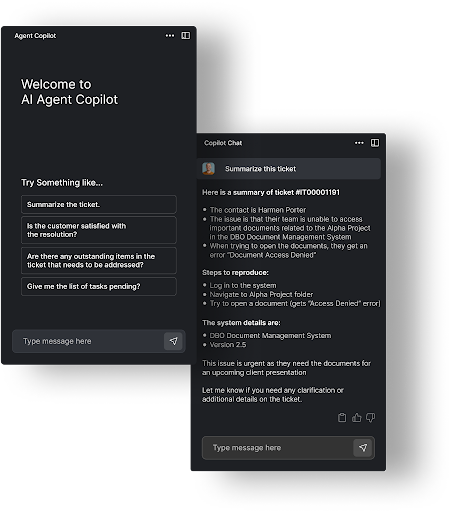
– Smart sentiment analysis for early escalation detection
– Automated ticket summarization and categorization
– AI Knowledge for content gap identification
– Context-aware solution recommendations
– Proactive issue identification and alerts
– Pattern recognition for recurring problems
Knowledge and Self-Service Excellence
– Comprehensive knowledge base management
– Smart article suggestions based on ticket context

– Custom support portals for different brands
– Multilingual support capabilities
– Self-service resource analytics
Team Collaboration and Productivity
– Internal notes and team discussions
– Asset and resource management
– Task assignment and tracking
– Department-specific workflows
– Agent availability monitoring
– Cross-department collaboration tools
– Unified agent interface
Learn more: Streamline Enterprise Customer Support with HappyFox
Analytics and Integration Hub
– Real-time performance dashboards
– Customer satisfaction tracking
– Resolution time monitoring
– Seamless CRM integration
– E-commerce platform connectivity
– Data security and compliance measures
Conclusion
Dealing with difficult customers in today’s digital age requires a combination of traditional interpersonal skills and modern technology. By leveraging AI-powered tools while maintaining a human touch, support teams can turn challenging interactions into opportunities for building stronger customer relationships.
Success lies in:
– Maintaining professionalism under pressure
– Using technology effectively
– Following established procedures
– Continuously improving processes
– Supporting team members
Remember: Every difficult customer interaction is an opportunity to demonstrate your commitment to excellent service and to learn valuable lessons for future improvements.
Schedule a HappyFox demo today.