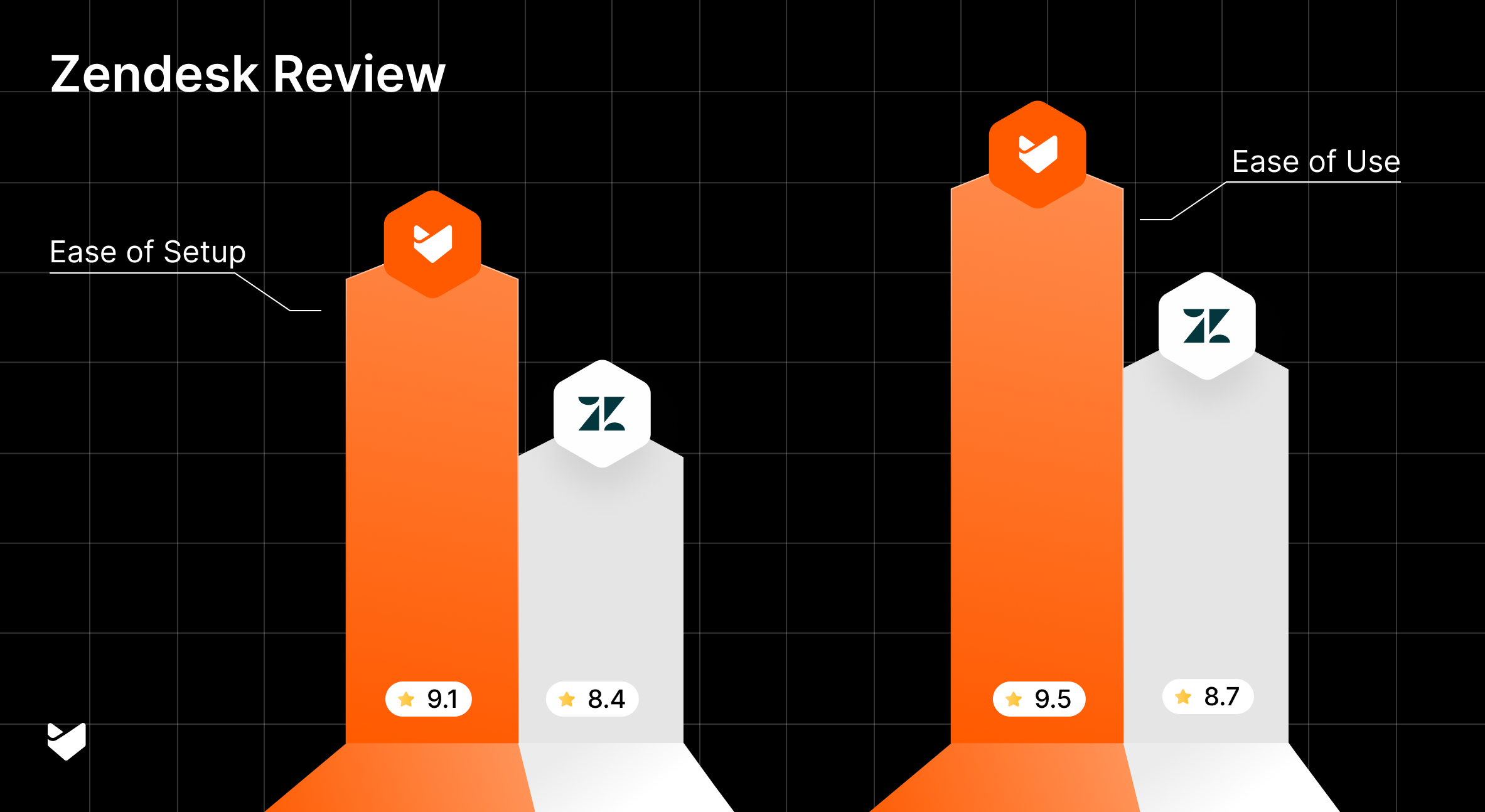
Choosing the right helpdesk software can make or break your customer support operations. Zendesk has long been a popular choice, but is it still the best option for your business in 2026? Let’s dive into an honest review of Zendesk, examining its pros and cons to help you make an informed decision.
The Zendesk Promise vs. Reality
Zendesk markets itself as an all-in-one customer service platform, offering tools for support ticketing, live chat, call center solutions, and more. However, many users report a significant gap between Zendesk’s marketing claims and the day-to-day reality of using the platform.
Complex Pricing Structure
One of the biggest complaints about Zendesk is its complex and often opaque pricing structure. While the company advertises affordable starting prices, many essential features are locked behind higher-tier plans or expensive add-ons.
For example, a X user shared their frustration:
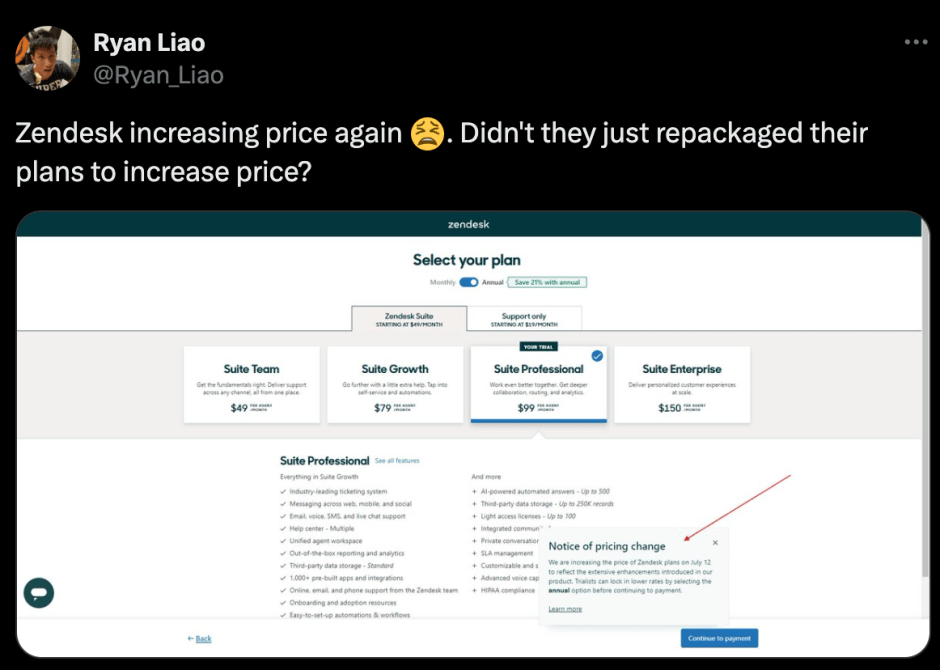
This experience isn’t unique. Many businesses find themselves paying far more than expected to access the features they actually need.

Hidden Costs Add Up Quickly
Zendesk’s pricing model includes numerous add-ons that can significantly increase your total cost:
- Advanced AI features: $50 per agent/month
- Workforce Management: $25 per agent/month
- Quality Assurance: Starting at $35 per agent/month
- Advanced Data Privacy and Protection: $50 per agent/month
These costs can quickly add up, especially for growing teams. A business with 50 agents could easily spend an additional $66,000 per year just on add-ons.
User review on G2

Steep Learning Curve
While Zendesk offers a wide range of features, many users report that the platform can be overwhelming and difficult to navigate. This steep learning curve often results in:
- Increased training time for new agents
- Reduced productivity during the adoption phase
- Underutilization of advanced features
A Gartner reviewer noted:

Limited Customization Options
Despite Zendesk’s claims of flexibility, many users find the platform’s customization options to be restrictive, especially in lower-tier plans. This can lead to:
- Inability to tailor workflows to specific business needs
- Frustration when trying to adapt the system to unique processes
- Reduced efficiency due to workarounds and manual interventions
Multi-Brand Support Challenges
For businesses managing multiple brands or departments, Zendesk’s approach can be cumbersome. Users often need to set up and switch between multiple Zendesk instances, leading to:
- Inefficient agent workflows
- Increased complexity in managing support operations
- Higher costs due to the need for separate accounts
Performance Issues at Scale
While Zendesk can handle basic support needs, some users report performance issues as ticket volumes grow. This can result in:
- Slower ticket processing times
- Delayed customer responses
- Frustrated agents dealing with system lag
A Capterra reviewer shared: “As our ticket volume grew, we noticed significant slowdowns in the system, especially when running complex reports.”
Integration Limitations
Zendesk boasts a large app marketplace, but integrations often come with additional costs and configuration complexities. Users have reported:
- Unexpected fees for essential integrations
- Compatibility issues with some third-party tools
- The need for developer resources to set up and maintain integrations
Customer Support Ironies
Perhaps the most ironic complaint about Zendesk is the quality of its own customer support. Many users report:
- Slow response times to critical issues
- Unhelpful or generic responses from support agents
- Difficulty in escalating problems to resolution
One TrustRadius reviewer noted: “The irony of a customer service platform having poor customer service is not lost on us.”
Is Zendesk Right for Your Business?
While Zendesk does offer a comprehensive set of features, it’s crucial to consider whether the platform aligns with your specific needs and budget. Here are some key questions to ask:
- Can your budget accommodate the true cost of Zendesk, including necessary add-ons?
- Do you have the resources to manage a complex system and potentially long implementation process?
- Are you willing to adapt your workflows to fit Zendesk’s structure, or do you need a more flexible solution?
- Can your team handle the learning curve associated with Zendesk’s interface?
Alternatives Worth Considering
If you’re hesitant about Zendesk after reading this review, it’s worth exploring alternatives that might better suit your needs. One option worth considering is HappyFox.
HappyFox offers a more straightforward pricing structure, with plans starting at just $29 per agent per month. Unlike Zendesk, HappyFox includes many essential features in its base plans, reducing the need for costly add-ons.
Key advantages of HappyFox include:
- Intuitive interface with a minimal learning curve
- Flexible customization options without requiring coding skills
- Efficient multi-brand support within a single platform
- AI-powered features at a fraction of Zendesk’s cost ($14/agent/month vs. $50/agent/month)
- Unlimited agent plans for predictable scaling
Conclusion: Making the Right Choice for Your Business
Choosing a helpdesk solution is a critical decision that impacts your entire customer support operation. While Zendesk offers a robust set of features, its complex pricing, steep learning curve, and potential hidden costs make it essential to carefully evaluate whether it’s the right fit for your business.
If you’re looking for a more straightforward, cost-effective solution that doesn’t compromise on features, HappyFox might be the answer. With its user-friendly interface, flexible customization options, and transparent pricing, HappyFox provides the tools you need to deliver exceptional customer support without the complexities often associated with Zendesk.
Ready to explore a helpdesk solution that grows with your business without breaking the bank? Schedule a demo with HappyFox today and discover how we can help streamline your support operations while providing better value for your investment.